
Healthy Air Guide
Healthy Air
Apr
Healthy Air Guide
PRESENTS
A World Health Day Special
Spring Clean Your Space – and Your Air
By Michelle Lopez
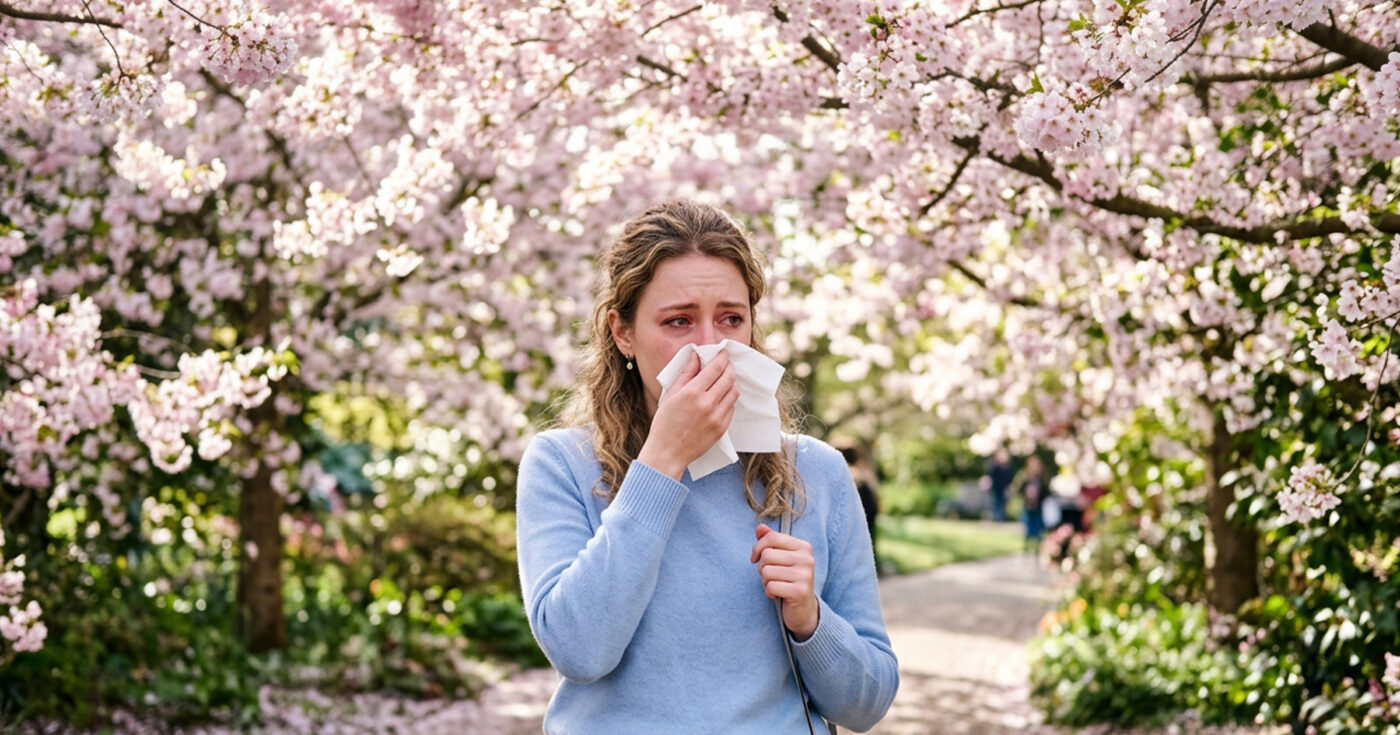
It’s spring, and during this time of year, there is an increase in people struggling with seasonal allergies, asthma flare-ups, and cold symptoms, many of which are worsened by poor indoor air quality. Surprisingly enough, the air inside your home can sometimes be more polluted than the outside air.
We spend most of our time indoors during the cooler months, so dust, mold, dander, and chemicals lie stagnant and accumulate throughout your house. These pollutants are likely to trigger symptoms for those who suffer from allergies, asthma, and more severe respiratory diseases such as COPD and Emphysema. Spring is the perfect time to reset and renew both your indoor space and your indoor air. Here are just a few tips to get you started!
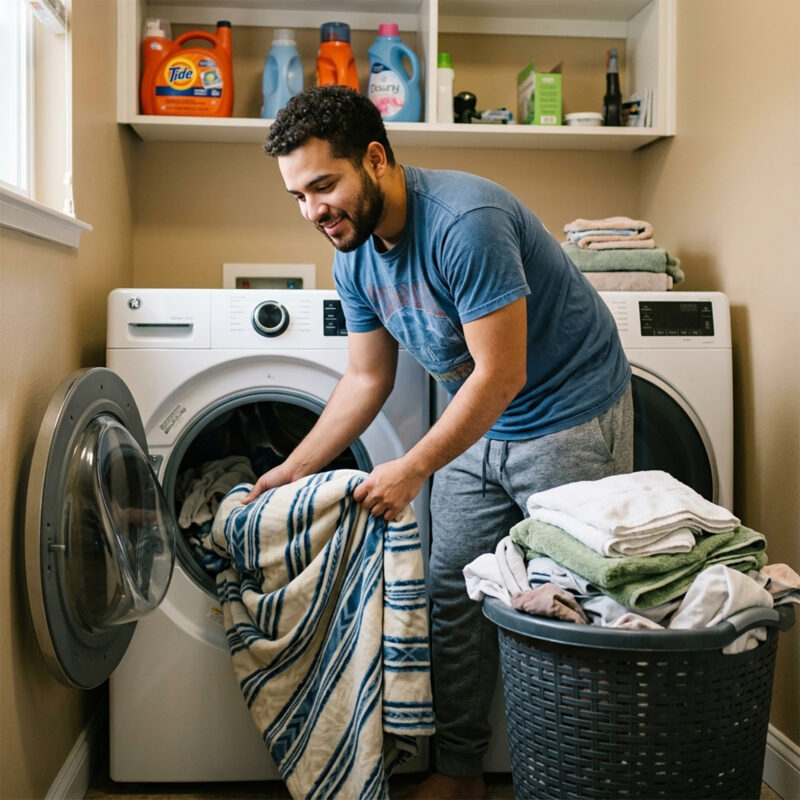
Declutter and Deep clean – Wash bedding, curtains, and throw blankets in hot water. Focus on high-dust accumulated areas. Ceiling fans, high shelves, windows inside and out, as well as sills, vents, baseboards, and behind heavy furniture are target areas. Dust with a damp cloth to prevent particles from becoming airborne. Include Air ducts and HVAC filters in your process. Airborne allergens are drawn into the air system and settle until the systems are turned back on, scattering them back into the living space. Professional air duct cleaning should be done at least every 5 years.
Replace your filters – Change your HVAC filters regularly to remove allergens and maintain air quality. It is recommended to do every 30-90 days, more frequently if you have pets or allergies. Other filters to consider addressing are dryer lint screens, bathroom, and kitchen exhaust fans. A dirty filter doesn’t just affect the air; it makes your system work harder, increasing energy costs.
Go shopping – Newer vacuums have HEPA filters conveniently built in, and Vapor steamers eliminate bacteria much better than traditional sponges or cloths. Air purifiers can also make a huge difference in reducing allergens from the air.

Ventilate – Increase air circulation by opening windows and doors on low-pollen days and use exhaust fans. Early morning and after rain are often the best times for allergy sufferers.
Go green – Use fragrance-free organic cleaning products to avoid inhaling harmful chemicals. The synthetic pine and citrus scents we have traditionally favored just mask chemicals and bacteria. Never mix chemicals, especially bleach and ammonia, and use natural options like vinegar and baking soda when appropriate.
Houseplants and Humidifiers – Some plants have a natural ability to remove toxins from the air. Some suggested air-filtering plants include: Aloe and Spider plants, Gerber Daisies and Chrysanthemums, Ficus, Azaleas, and English Ivy. Humidify or dehumidify? Mold thrives in warm, damp environments and can significantly impact respiratory health. Therefore, indoor humidity levels should be kept at less than 55%. A dehumidifier can alleviate this moisture and help to prevent mildew. However, humidifiers are essential tools for maintaining air quality by adding moisture to the air. They help maintain optimal humidity levels, reduce dryness, and alleviate allergy symptoms by soothing dry nasal passages and reducing irritation.

As spring is a season of renewal, taking a few extra steps to improve your indoor air is making a meaningful investment in your health. Fresh air, a clean home, and a mindful approach can make this season feel as good as it looks. So, get cleaning, and your lungs will thank you.
Live Well!

A how-to for healthy living in your personal environment
