
Sewage and Wastewater
The Inaugural Report
Sep
SEWAGE and WASTEWATER
The Inaugural Report
We hereby announce the launch of The Environmental Record’s newest department, SEWAGE and WASTEWATER. This addition to the magazine and digital media organization will cover one of the most important environmental industry sectors: wastewater treatment. Our goal is to provide relevant news, industry updates, special reports, and global wastewater highlights.
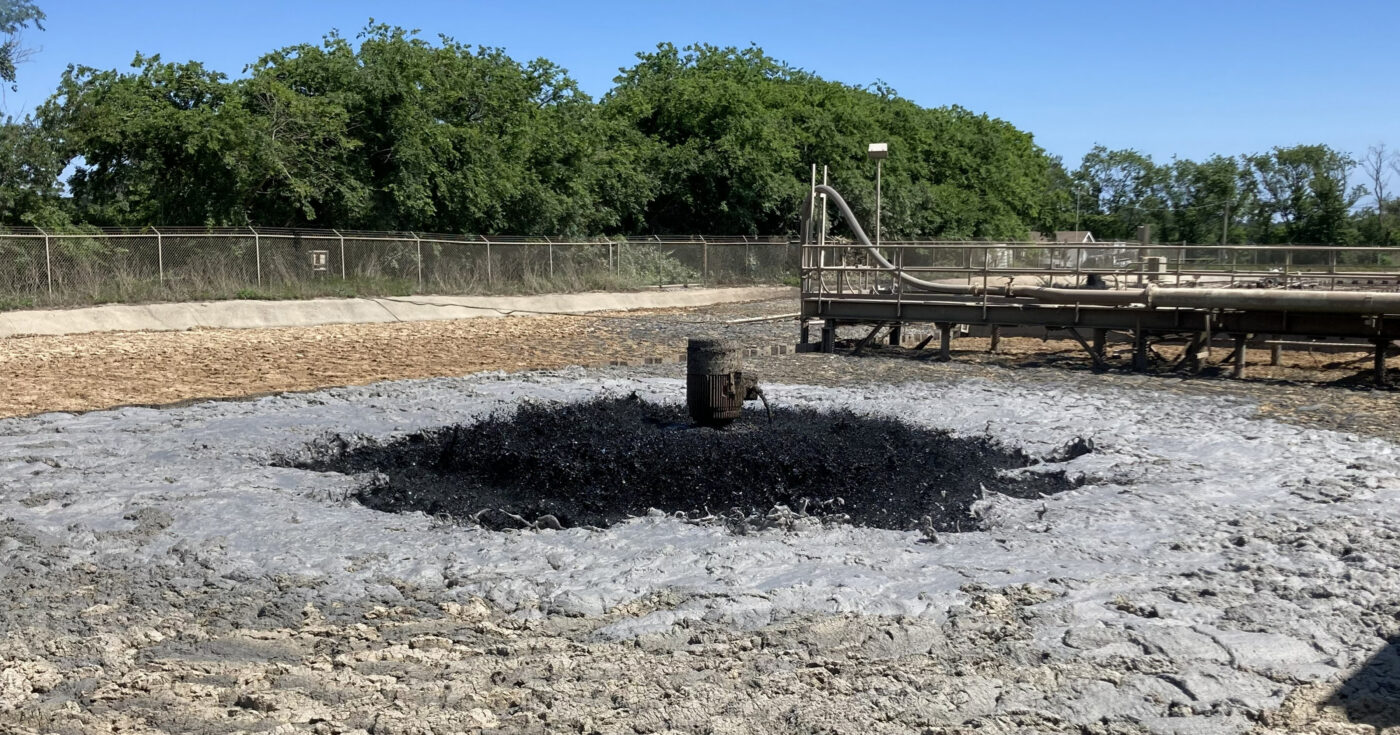
The overwhelming majority of the world’s industrial and residential discharge is released into the environment without proper treatment. Untreated wastewater causes grave public health risks, extensive water pollution, and ecological breakdown.
Sewage and wastewater contain pathogens that are harmful to humans and wildlife, hazardous chemical pollutants, and excessive nutrients that upset the balance of ecosystems. Suspended solids and debris can damage wildlife, fill waterways with sediment, and limit light penetration in aquatic environments. Raw wastewater is typically depleted of oxygen, which can suffocate organisms, but it can also be oxygen-rich, which can disrupt the balance of an ecosystem. Other potential dangers associated with untreated wastewater include altered pH, solubility, temperature, visibility, and an ever-growing list of forever chemicals that accumulate in our environment and in our bodies.
Proper wastewater treatment is crucial for healthy habitats, not just for mankind but for all species that make up our global environment. We hope you enjoy this latest adventure along our journey.
What is Wastewater?
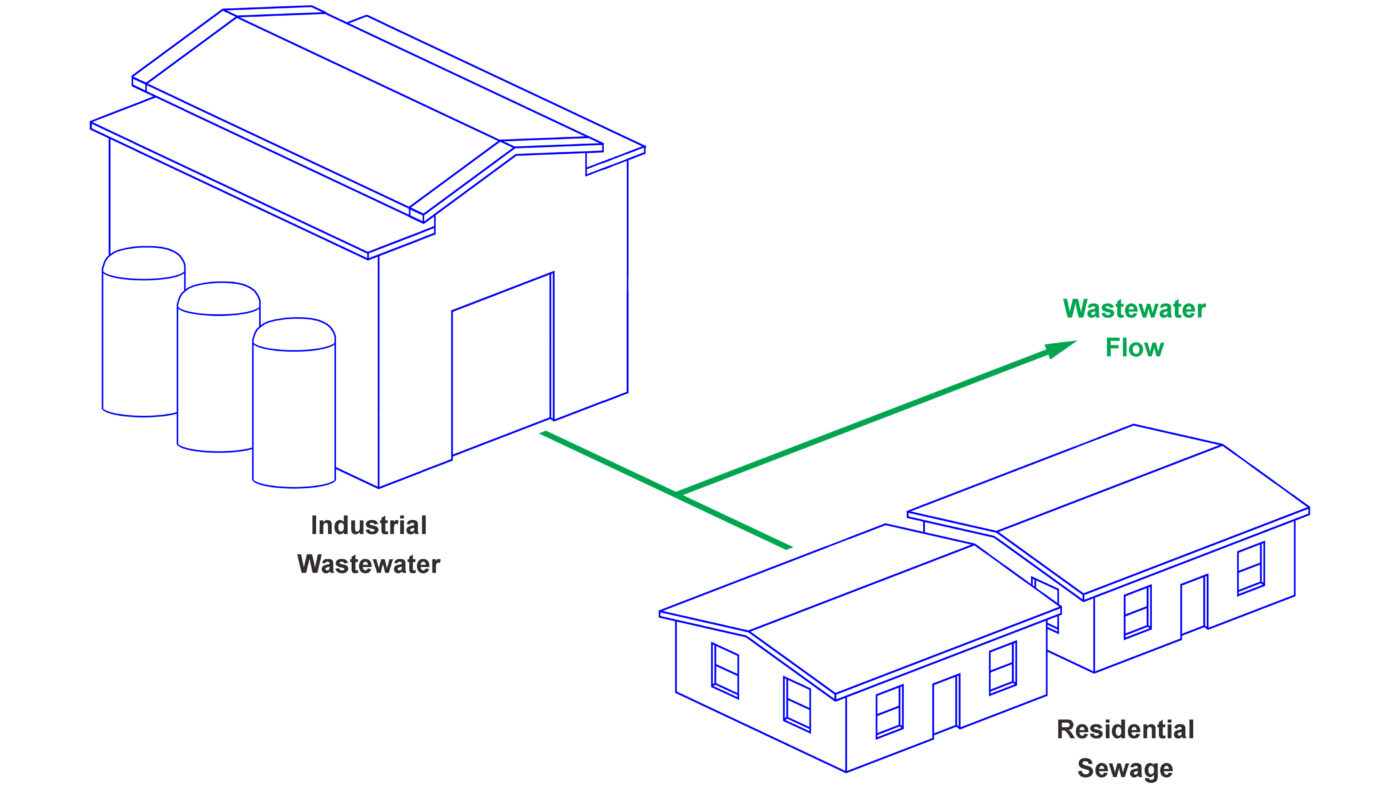
Wastewater is any used water that has been contaminated by animals or people and is no longer adequate for use. Farms, kennels, and pet breeders generate animal waste, homes and restrooms produce sewage, and factories yield industrial wastewater. In our private lives, wastewater comes from sink drains, toilets, washing machines, dishwashers, and car washes, among other sources. Industrial wastewater can come from food processing plants, manufacturing plants, paper mills, refineries, and many, many other sectors.
Typically, wastewater is directed toward on-site treatment systems or wastewater treatment plants. With both options, solids are separated from wastewater and recycled or disposed of. Solids that are not hazardous can be composted into fertilizer and land applied in some applications, depending on regulations. All other solids are disposed of in landfills or incinerated.
How Wastewater Treatment Works
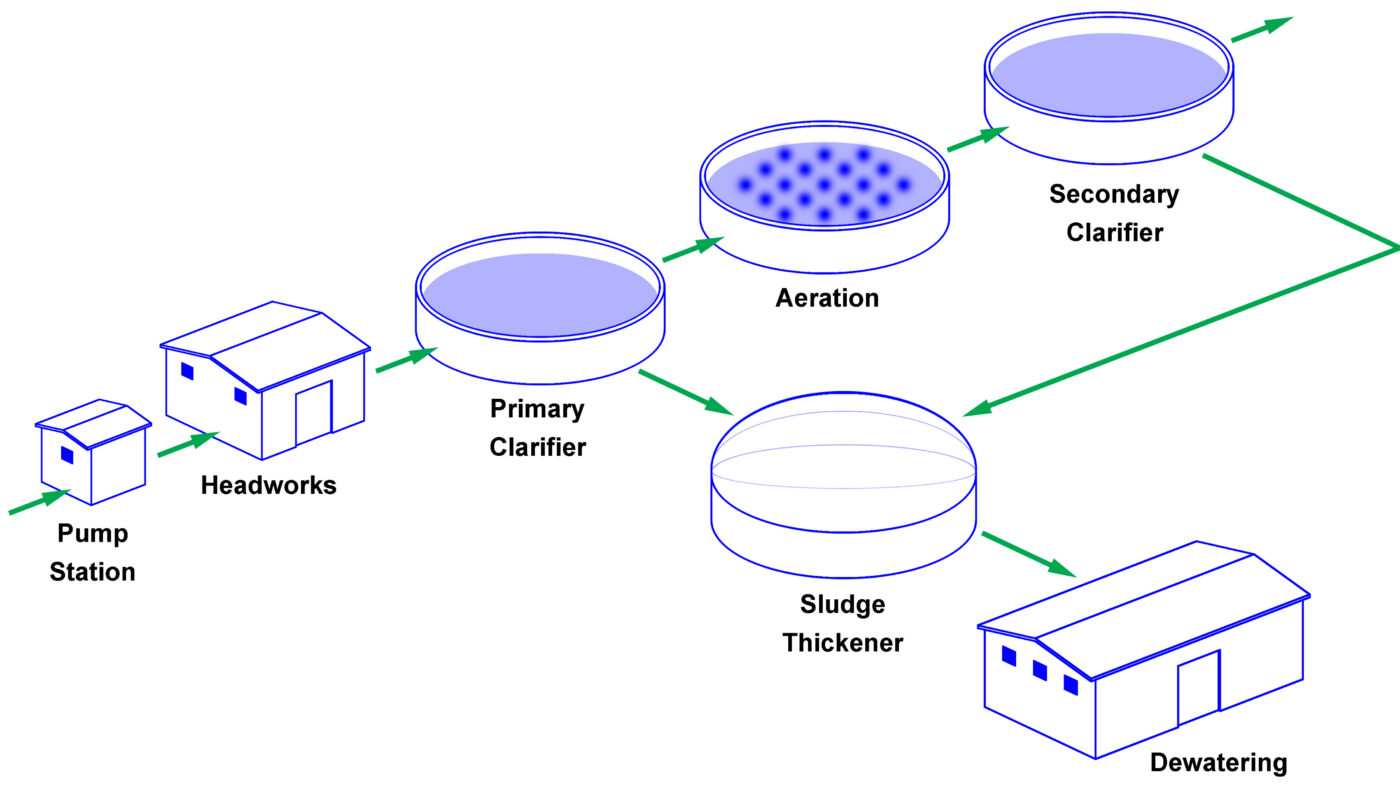
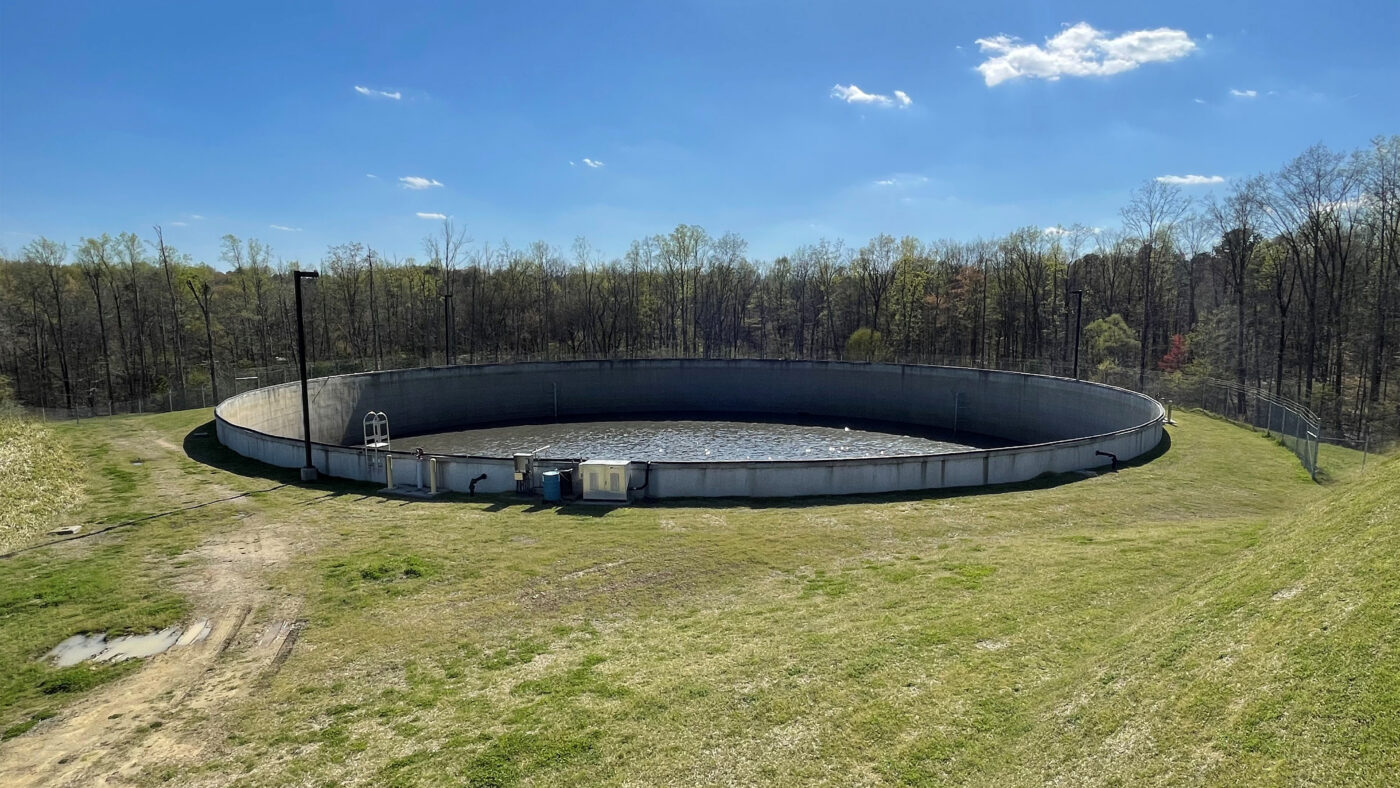
Pump Stations are typical components in collection systems that receive wastewater in a wet well or underground tank and pump the liquid further along the line. The Headworks is the first stage of a wastewater treatment plant where incoming flow is received, measured, and screened from debris and grit. Clarifiers are mechanical settling tanks that separate solids from liquids using gravity. Wastewater flows from Primary Clarifiers to Aeration Tanks, where microorganisms break down solids aerobically. Secondary Clarifiers separate solids from liquid once more, further clarifying the wastewater flow before any tertiary treatment or discharge from the plant.
Wastewater sludge flows from Clarifiers to the Sludge Thickening stage, where sludge is concentrated further. Next comes final solid-liquid separation in Dewatering. Chemicals such as flocculants, iron salts, or lime are added to aid in solids separation. Specialized equipment is used to thicken or press the sludge, including dewatering containers, centrifuges, belt presses, fan presses, plate-and-frame presses, rotary drum thickeners, and screw presses.
Wastewater Careers?
Today’s wastewater treatment plant operators and supervisors face many obstacles. Outdated equipment, capacity overload, emerging contaminants, and stricter regulations make for difficult times. Add rising costs and a workforce shortage in the mix and you’ve got an industry in need. Sewage and wastewater treatment systems have a very real need for creative, hardworking people who can adapt to changing technologies.
Whether you’re just leaving school or have years of employment behind you, a new career in sewage and wastewater may be the right fit for you. There are countless opportunities for those interested in administration, operations, maintenance, design, and planning. There are many great jobs available with recession-proof stability, rock-solid job security, good pay, retirement plans, and the opportunity to protect the environment.
One may ask, how do I learn more about wastewater careers? Fortunately, this industry sector is full of good people who are ready and willing to help. There are numerous local, regional, national, and international wastewater organizations available for informative and educational purposes.
Wastewater Organizations
American Water Works Association (AWWA)
Headquarters: Denver, CO, USA
Website: https://www.awwa.org/
International Water Association (IWA)
Headquarters: London, EN, United Kingdom
Website: https://www.iwa-network.org/
National Association of Clean Water Agencies (NACWA)
Headquarters: Washington, D.C., USA
Website: https://www.nacwa.org/
National Association of Water Companies (NAWC)
Headquarters: Philadelphia, PA, USA
Website: https://nawc.org/
National Rural Water Association (NRWA)
Headquarters: Duncan, OK, USA
Website: https://nrwa.org/
Rural Community Assistance Partnership (RCAP)
Headquarters: Washington, D.C., USA
Website: https://www.rcap.org/
Water Environment Federation (WEF)
Headquarters: Alexandria, VA, USA
Website: https://www.wef.org/
SEWAGE and WASTEWATER. Our goal is to provide relevant news, industry updates, special reports, and global wastewater highlights
