
The Air Pollutant
Isovaleric Acid
Sep

Gas: Isovaleric Acid
By: Katelin Kukk
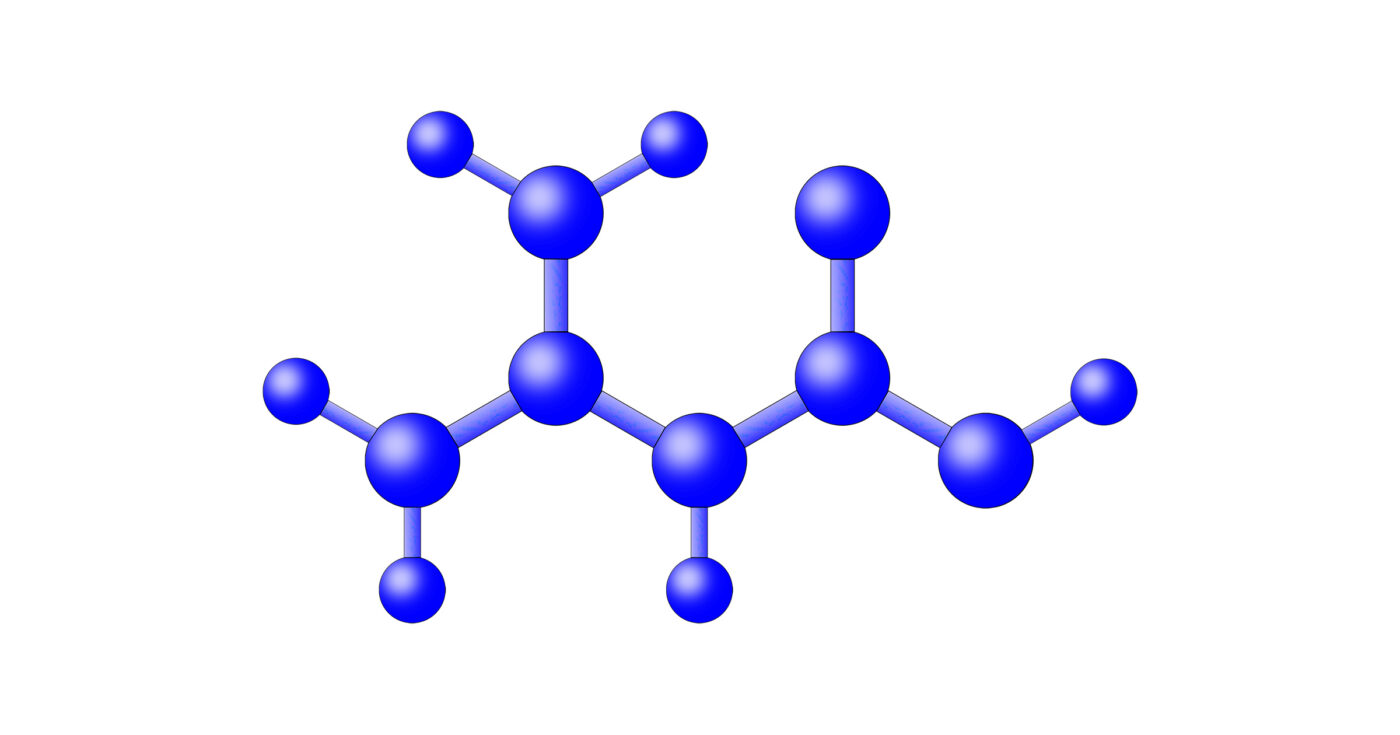
Isovaleric acid is a high-purity organic compound that can exist in liquid or solid form. In its liquid state, it is colorless and has a pungent smell resembling rancid cheese. Naturally, it’s produced in the colon by gut bacteria through the fermentation of the amino acid leucine. It also contributes to the decomposition of sweat, the common culprit of foot odor. Additionally, the valerian plant has been discovered to contain isovaleric acid.
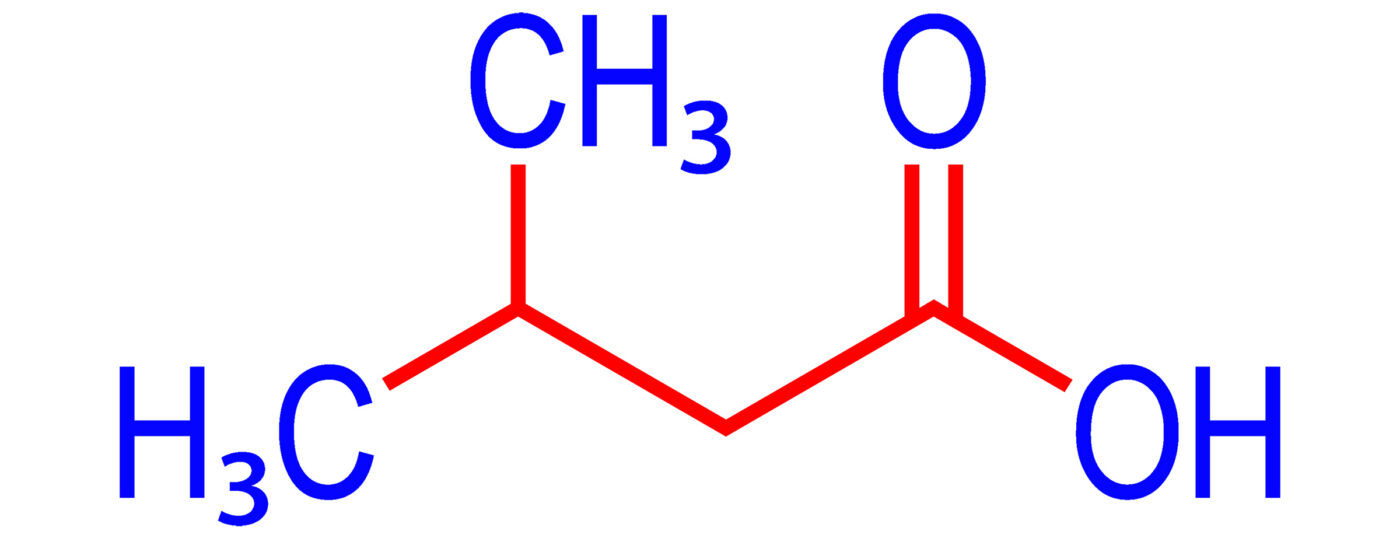
This compound is used to create cheesy, fruity, or fermented flavors in a variety of foods, including ice cream, candy, cheese, and more. It also has applications in the pharmaceutical and industrial divisions. For example, sedatives, perfumes, lubricants, polymers, and adhesives all contain isovaleric acid.
In its pure form, this acid is a strong irritant that can affect the skin or respiratory system. It is corrosive to metals and can react with other acids, alkalis, and oxidizers, causing hazardous reactions. Spills should be prevented, especially from entering drains or waterways, as they can be highly detrimental to the environment.
-Isovaleric Acid-

Air Pollution is responsible for millions of deaths every year. Recognizing contaminants may be the difference between another day at the office and a trip to the emergency room or worse.
