
Habitats on the Edge
Great Salt Lake
Sep

Great Salt Lake
By Katelin Kukk
Photographs by Robert Francis, Gisela Rentsch, and Bryan Mullennix
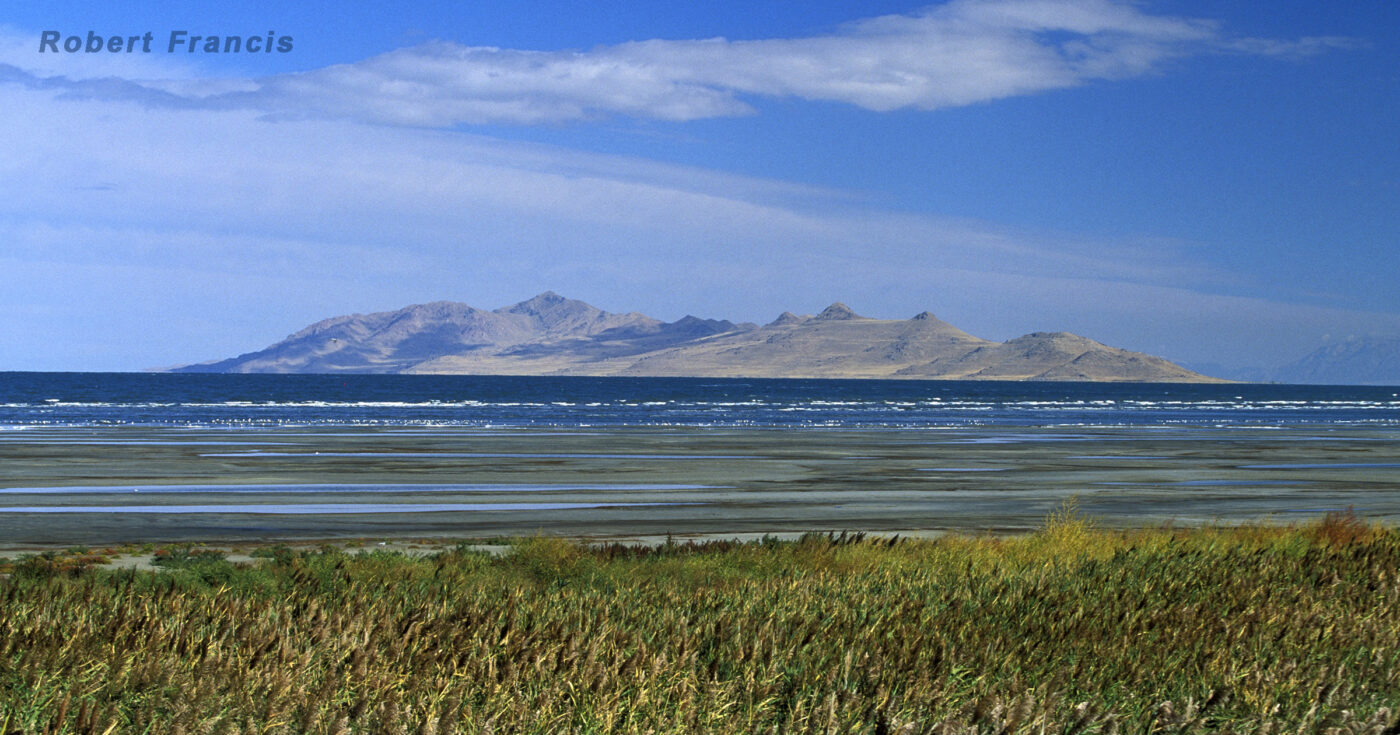
Of all the salt lakes in the Western Hemisphere, the Great Salt Lake is the largest. Most lakes are freshwater; however, this lake, often referred to as “North America’s Dead Sea,” is saline because it has no outlet. Tributary rivers continually introduce small amounts of dissolved salts and minerals, which are left behind when water leaves the only way it can: by evaporation. Many salt lakes have low biodiversity, but compared to others, the Great Salt Lake supports a crucial sanctuary for organisms in Utah’s Great Basin Desert. Many bird populations rely on this lake during their migration between North and South America. This lake dates back thousands of years.
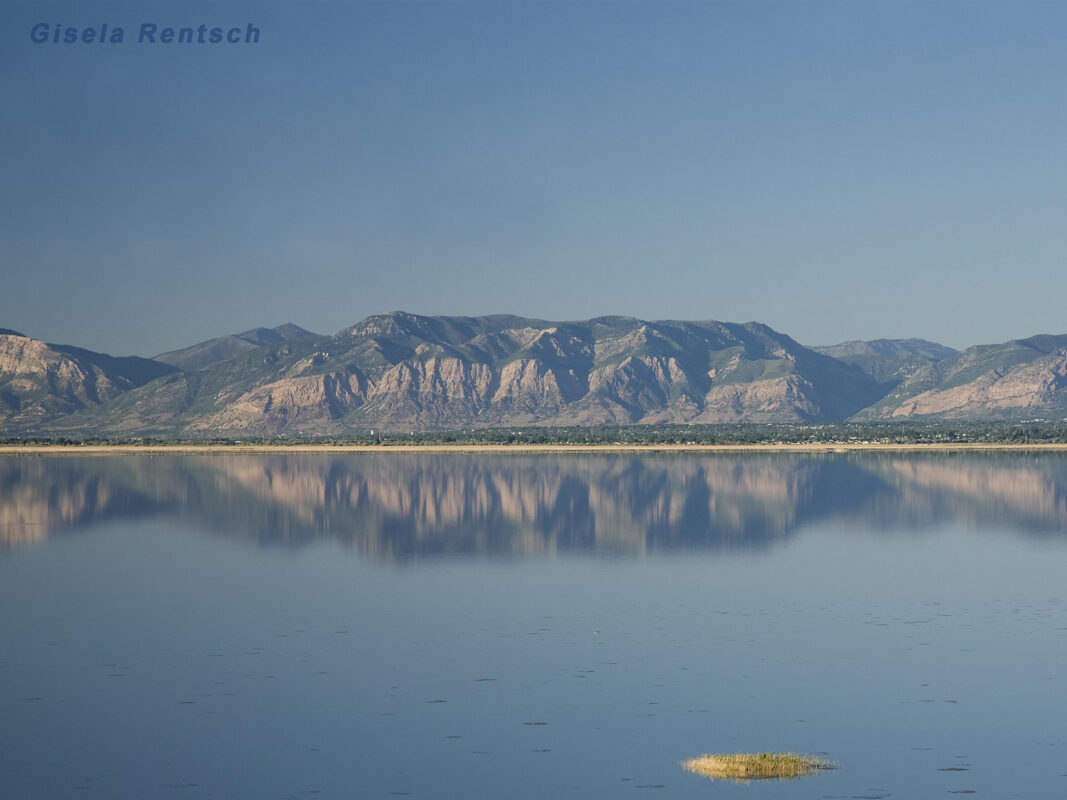
Before it became known as the Great Salt Lake, it was part of the much larger Lake Bonneville, a massive freshwater lake that formed about 30,000 years ago during the Ice Age, stretching over western Utah and into southern Idaho. Along its ancient shoreline roamed Ice Age giants such as Columbian mammoths, western camels, giant short-faced bears, Jefferson’s ground sloth, and many others. The cause of the disappearance of these giant creatures remains one of history’s greatest mysteries. Roughly 12,000 years ago, the first humans appeared in the region, coinciding with the extinction of much of the megafauna. Scientists still debate whether these animals vanished because of hunting, climate change, or both.
These first humans appeared around the end of the last ice age. They lived in dry caves and shelters that preserved traces of human activity for archaeologists to analyze. Found tucked away inside these caves were homemade moccasins and gaming pieces that would have otherwise degraded if left out in the elements. The people in this region fished, hunted, and made baskets to carry seeds and other goods. They soon realized how diverse this ecosystem was and how much it was able to provide.
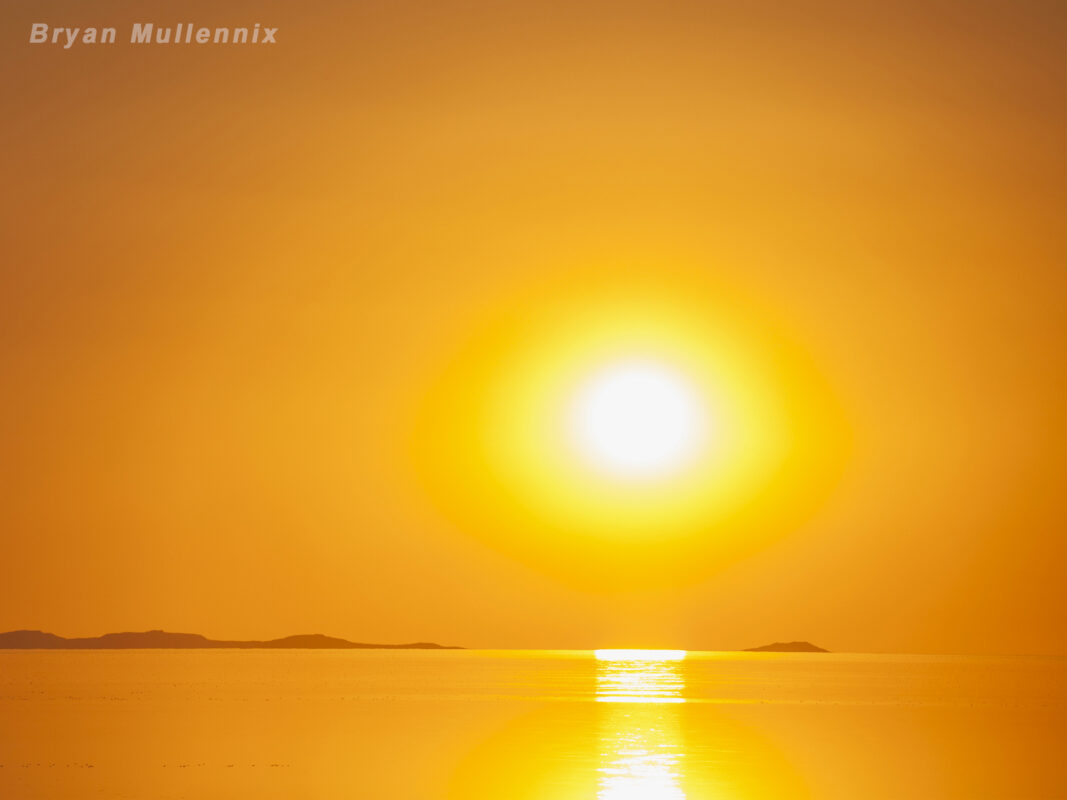
While the Great Salt Lake may not be as biologically diverse as it once was, it still supports an incredible variety of animal and plant life and features a complex web of relationships. Brine shrimp, reptiles, birds, mammals, and countless other species rely on this lake for shelter, food, and breeding. Although you won’t find any fish in the main body of the salt lake due to its salinity, millions of migratory birds pause there, as it is a vital resting stop along their migration routes, journeys that can span thousands of miles. As many wetlands and other bodies of water start to decline, the Great Salt Lake is critical to these species. Its continued preservation is essential not only to wildlife but also to the environmental stability and natural beauty of the area. Sadly, however, climate change is a major contributing factor to the lake’s decline.
Since the 1850s, the surface area of the Great Salt Lake has been reduced by about 60%, with an even greater 73% estimated loss of water volume. Much of this loss is due to climate change and human overconsumption. Though fluctuations in water levels are normal, charts have shown an overall steady decline over the years. As water levels recede, more shorelines become exposed, emitting significant amounts of greenhouse gas. In 2020, an analysis showed that 4.1 million tons of carbon dioxide and other gases were released in the dried-out sections of shoreline. Exposed shorelines are also revealing toxic dust, a threat to the health of wildlife and human populations.
At this rate, the Great Salt Lake could disappear by 2045. Scientists warn that this could progress to an even greater global problem because shrinking saline lakes contribute to climate-warming emissions. The consequences for wildlife would be devastating. Millions of birds would no longer be able to use the lake during their migration, which in turn could drastically affect their population. Many native wildlife species that rely on this ecosystem would face extinction or be forced to relocate. Without immediate conservation efforts, the disappearance of the Great Salt Lake could be one of Earth’s most catastrophic environmental disasters.
Fortunately, federal and state legislatures are working together to manage this crisis. Utah hopes to conserve water resources, but doing so would require a 30-50% reduction in water consumption. The Utah state legislature also issued $40 million to the Great Salt Lake Watershed Enhancement Program to improve water quality and quantity. Along with other solutions and initiatives, we can only hope to preserve one of Utah’s seven wonders for our future generations.
Great Salt Lake
Photographs by Robert Francis, Gisela Rentsch, and Bryan Mullennix
Natural environments on the edge of survival in an ever-changing world.
