
Environmental Spotlight
The “Lovable” Prairie Dog
Sep
The “Lovable” Prairie Dog
Writing and Photography by Moose Henderson
In these pages, we have spotlighted some apex predators. They are dynamic, interesting, and evoke a feeling of superiority. By definition, they are at the peak of the predator-prey triangle. What fills the void near the bottom of this food triangle must be reproductively plentiful, tasty, and readily available. Part of this void is filled by the “Lovable Prairie Dog.”
In North America, there are five species of prairie dogs: Gunnison’s, Utah, Mexican, white-tailed, and black-tailed, all belonging to the genus Cynomys. They are typically found west of the Mississippi River. Despite the name “prairie dog,” they are not members of the canine family; they are actually part of the squirrel family (Sciuridae) along with groundhogs, marmots, chipmunks, and squirrels.
Prairie dogs are a keystone species; their mounds serve as a residence to other species, and they also cultivate the topsoil. They are prey to numerous animals, including badgers, ferrets, eagles, hawks, foxes, and coyotes. The name prairie dog derives from their “dog-like” bark. This “bark” varies with the predator sighted.
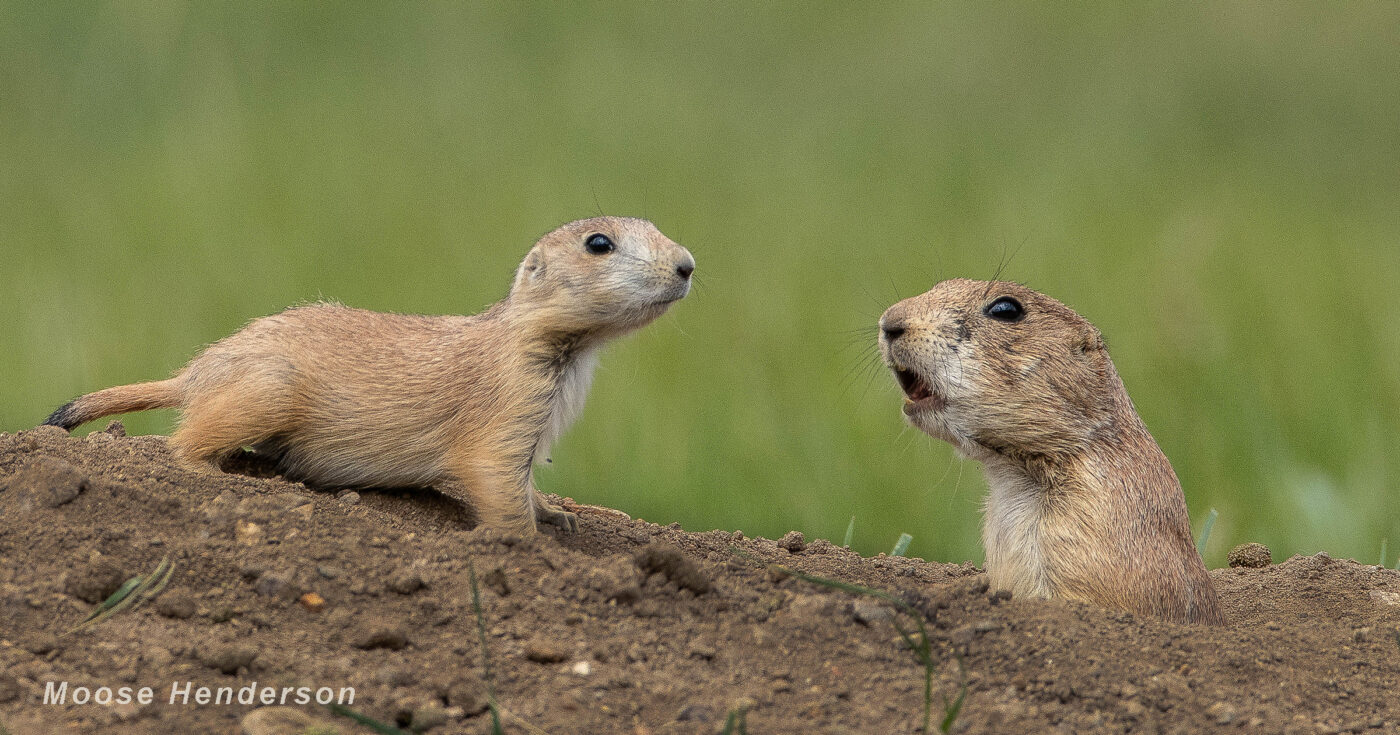
Four quick high-pitched squeaks signify ground predators such as coyotes, humans, and ferrets. A mid-pitched bark shows aerial predators such as eagles or hawks. Some scientists even assert that the calls are specific, indicating size and color of predators, angle of attack, and even approach speed. In addition to alarm calls, prairie dogs have various calls and displays for general communication, territory, and mating.
The prairie dog mating call consists of about 25 short barks with a five to ten second pause between successive barks. Depending on the location, mating occurs in late winter to early spring. Mating takes place in the burrows for protection from predators and other competing mates. Gestation lasts 30-35 days with a litter of three to eight pups.
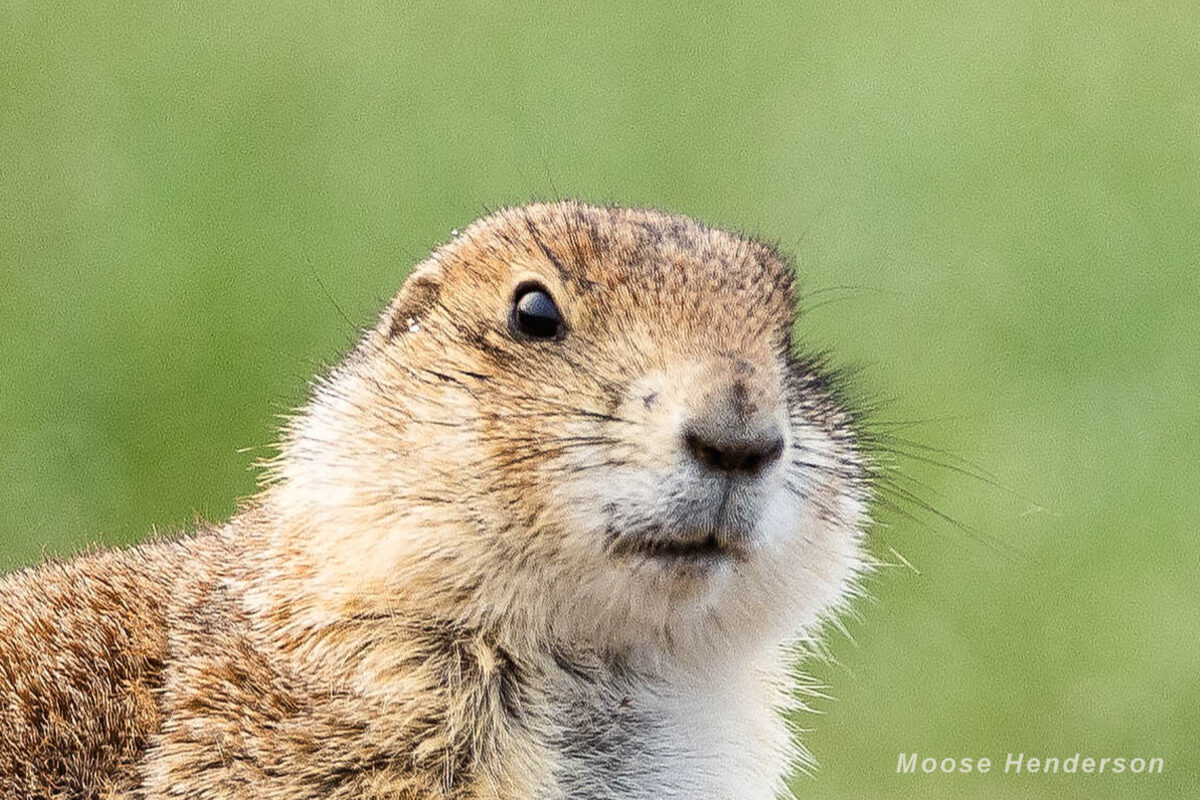
Females provide the majority of the parental care of the young, while males typically protect the territory. Pups are nursed for five to six weeks until they appear from their burrows. Gradually, pups are introduced to a herbivore’s diet of grass and vegetation. Prairie dogs are social animals, each family having a territory of about 0.2 to one acre, and groups gather together in large “towns” that stretch numerous acres. Each town may have 20 or more groups.
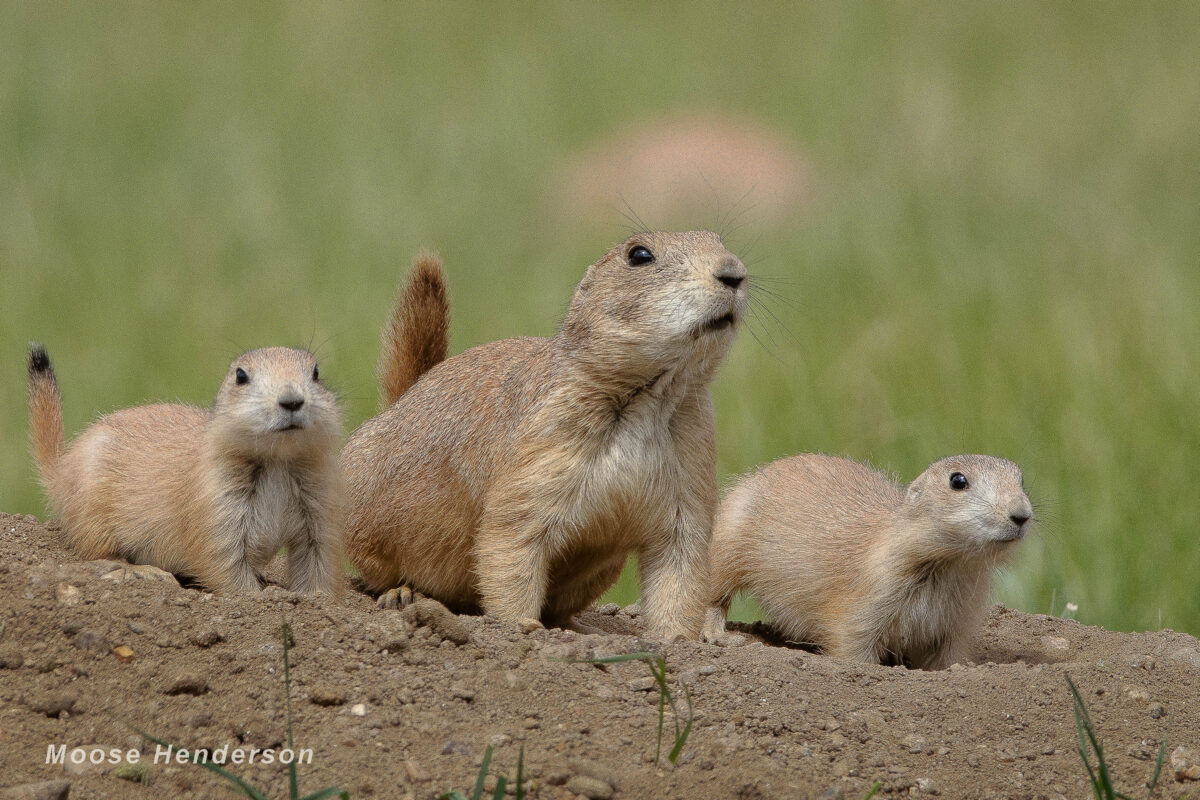
Mexican and Utah prairie dogs are endangered with dwindling populations, mostly related to loss of habitat. The Gunnison, white-tailed, and black-tailed prairie dogs are all classified as “least concern” with stable populations.
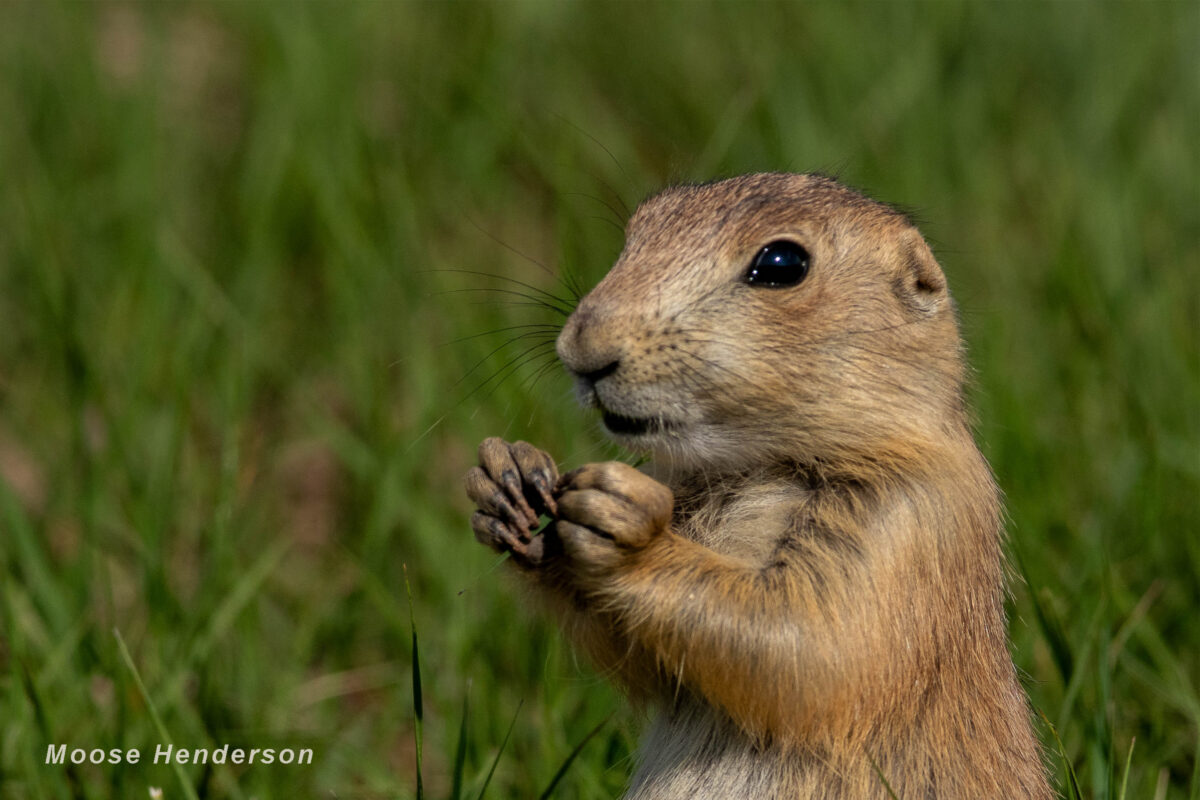
Prairie dogs are fun to watch. Popular locations to see them include Badlands National Park and Custer State Park in SW South Dakota, Devil’s Tower National Monument in NE Wyoming, and Rocky Mountain Arsenal National Wildlife Refuge in Colorado. They are also widely visible on farms and ranch lands in Nebraska, causing widespread destruction of crops. They are a hazard to horses and cattle as these animals often step into burrows, breaking their legs.
One can certainly understand the desire of farmers and ranchers to exterminate prairie dogs, but they are lovable creatures with adorable mannerisms, and fun to watch in the wide open prairie dog towns of our parks.
The “Lovable” Prairie Dog
Writing and Photography by Moose Henderson

Illuminating the sciences of life and the natural environment.
