
Water Saga
Droughts and Floods
Sep
Droughts and Floods
By Maya Planker
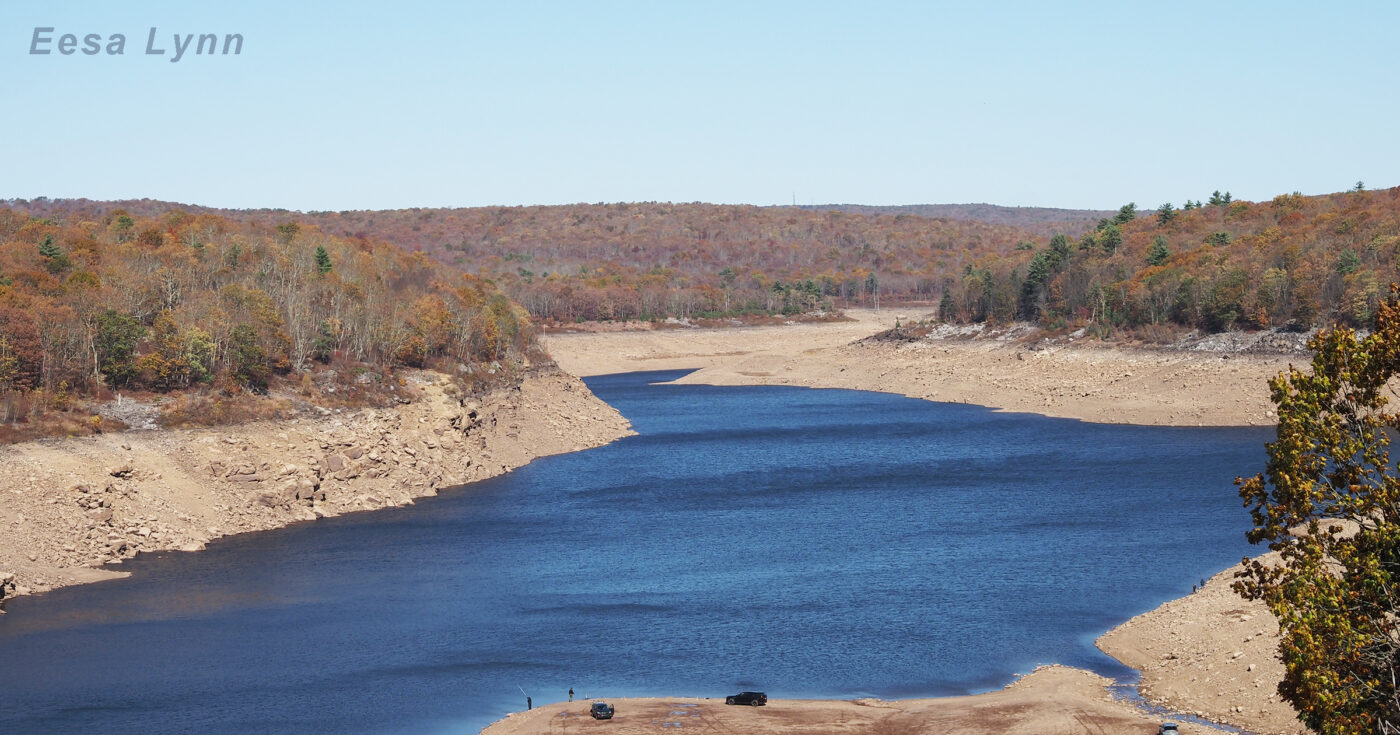
Photography by Eesa Lynn of Bear Creek, Pennsylvania
All parts of the world can experience drought. While typically caused by dry weather and lack of rain, higher than normal temperatures, and deforestation can also exacerbate droughts. When droughts become severe enough, the effects can be devastating. Without sufficient sources of water, communities can suffer. Crops die, drinking water becomes scarce, and economic disaster can ensue. Due to their long-term effects, droughts are a precipitating factor in famine and forced migration.
The parameters of a drought can be determined by region. A country in Africa has a much different severity of drought than a state in the U.S. does. This is due to the average amount of precipitation that the area typically receives. It may be difficult to determine when a drought begins and when a drought ends. It can also take weeks or even months for the effects of a lack of rainfall to become evident. When a drought is coming to an end, a single rainstorm cannot erase the previous damage. Weeks or months will have to pass before water accumulation can be regulated.
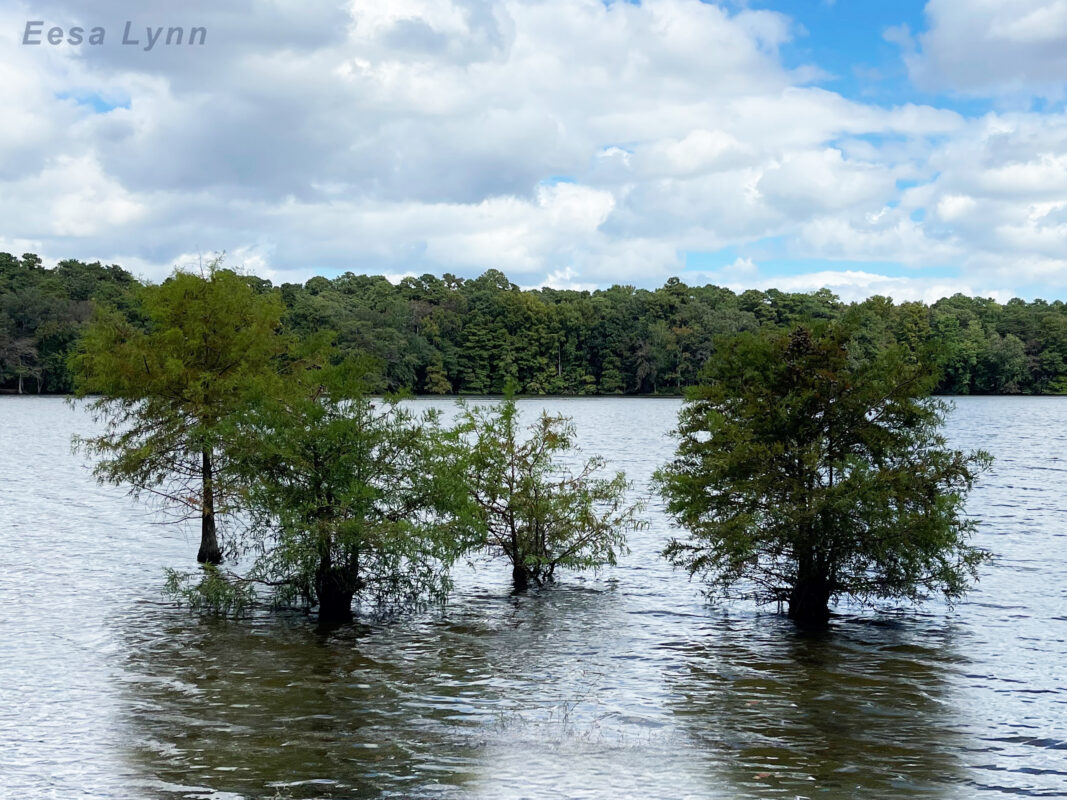
Natural causes such as weather patterns and high temperatures are typical triggers of droughts. However, the effects of human activities have become more influential. Deforestation, for instance, prevents plants and trees from capturing and releasing water into the atmosphere. This inhibits the formation of clouds and, in turn, rain. Another possible cause is agriculture. Intensive farming can impact the soil’s ability to absorb and retain water. Structures like dams cut off water flow to downstream areas, which may also lead to drought.
While people contribute to drought, they also become the victims of its consequences. When the soil used to plant crops dries up, crops fail. Livestock also depend on crops for food. Drought disrupts the food supply chain, and the impact can ultimately result in famine. Over time, malnutrition and an increase in disease as a result of poor sanitation can further impact a region. The loss of land value because of farmers’ dependency on water can lead to unemployment and poverty. With no access to clean water or food, forced migration becomes a reality. People have no choice but to leave their homes and communities in order to survive.
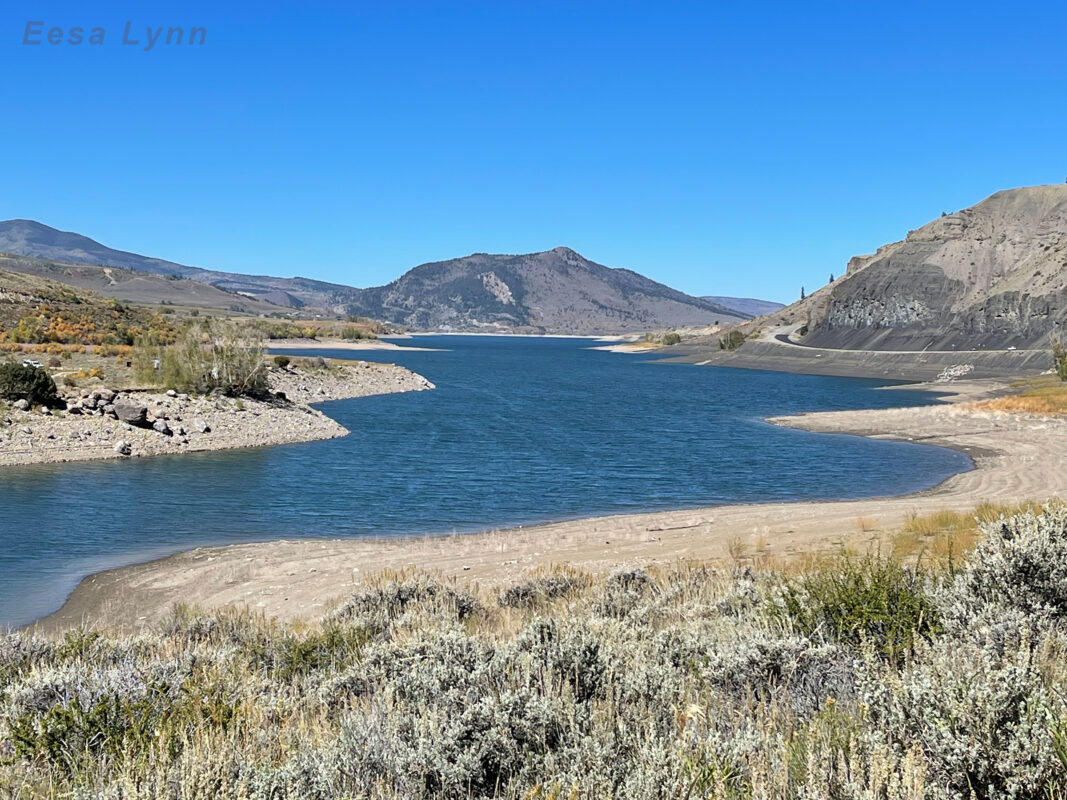
While one might think that an abundance of water could be beneficial following a drought, the opposite is true. Droughts leave the ground hardened and dry, unable to absorb the much-needed water. Water will instead flow heavily across the parched ground, causing flash floods. Consequently, it can take weeks or even months for the ground to become permeable again.
Governments, communities, and even individuals need to be prepared for future droughts. Water conservation in areas that are vulnerable to periods of dryness is paramount. Cities can do this by enforcing water restrictions, limiting days when lawns and plants can be watered. For individuals, adhering to these restrictions and keeping potable water on hand is necessary. For those who may not experience the detrimental effects of floods or droughts, donations can be made to organizations that help those in need.
Droughts and Floods

Exploring the delicate harmony of water and life
