
Farms and Forestry
Orchard Report
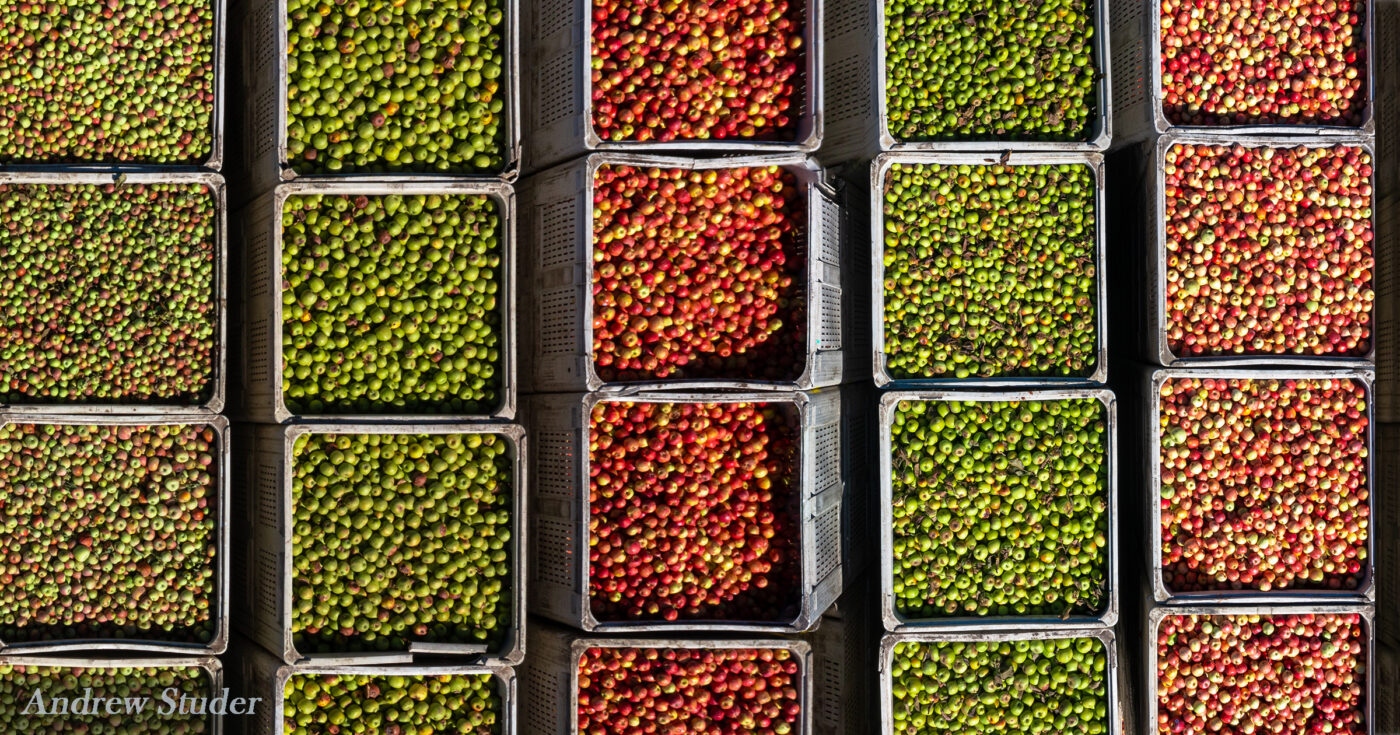
Aug
Farms and Forestry
PRESENTS
Orchard Post
By Warren Joseph
Photography by outdoor photographer Andrew Studer of Portland, Oregon
For centuries, orchards have held an important place in our communities, bearing delicious fruit and creating a greater opening for biodiversity in farming cultures. Communities gathered for harvest celebrations as far back as 3000 BC, and apples have a long, sweet history in human civilization, with recipes for apple pie dating back to the 1300s. In American history, we have famed folk figures such as Johnny Appleseed who are still revered to this day.
Beyond the rich cultural impact of apples, their consumption also offers numerous health benefits, such as improving blood pressure and supporting gut and heart health. Apples are one of the greatest sources of quercetin, an antioxidant that helps reduce swelling and improve brain health. There is plenty of truth to the adage “An apple a day keeps the doctor away.” With all the rich culture and history and the incredible health benefits of apples, it’s no wonder they are still regarded by many as a ward against sickness.
However, all of this could be at risk. With apple consumption at an all-time low and an increase in drought, diseases, and frost, apple farmers across the globe are being forced to give in to economic pressures and sell their land for top dollar during the modern bull real estate market. There are fewer total orchards today than there were ten years ago and significantly less overall orchard land. But through all this hardship, some farmers are still fighting to stay ahead of the risk and keep apples on the market.
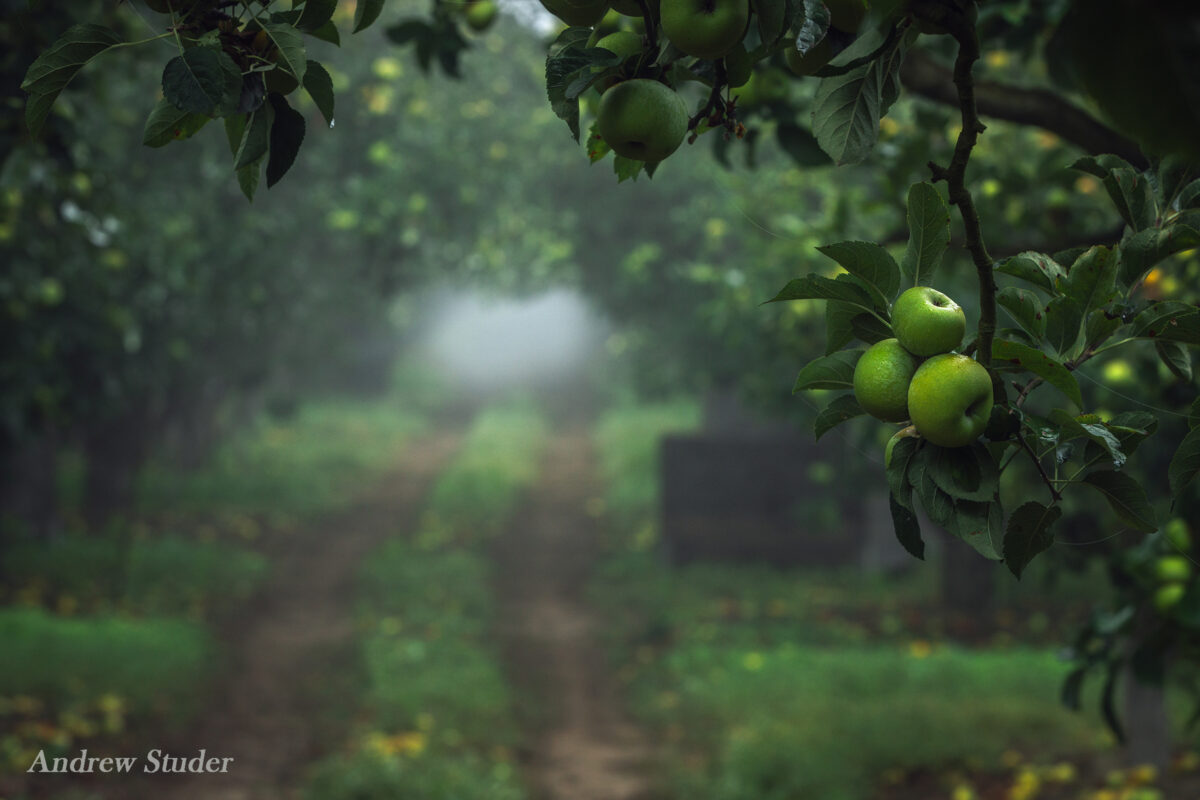
In North America, there has been some good news for apples, as Mexican farmers reported making it through this year’s freeze with few losses and Canadian orchards withstanding only moderate losses. Unfortunately, the United States sustained severe losses, with some orchards suffering disastrous damage under the brunt of April’s frost.
Across the pond in Europe, apples in numerous countries are also facing hardship, with Germany and the Netherlands projecting declines of up to 10%. Further to the east in Asia, the future is mixed, with China expecting similar declines of 10% while, on the contrary, South Korean farmers seem to be looking forward to a 100% growth in apple consumption. Apple orchard farming is becoming increasingly difficult around the world, especially for smaller orchards and family spreads.
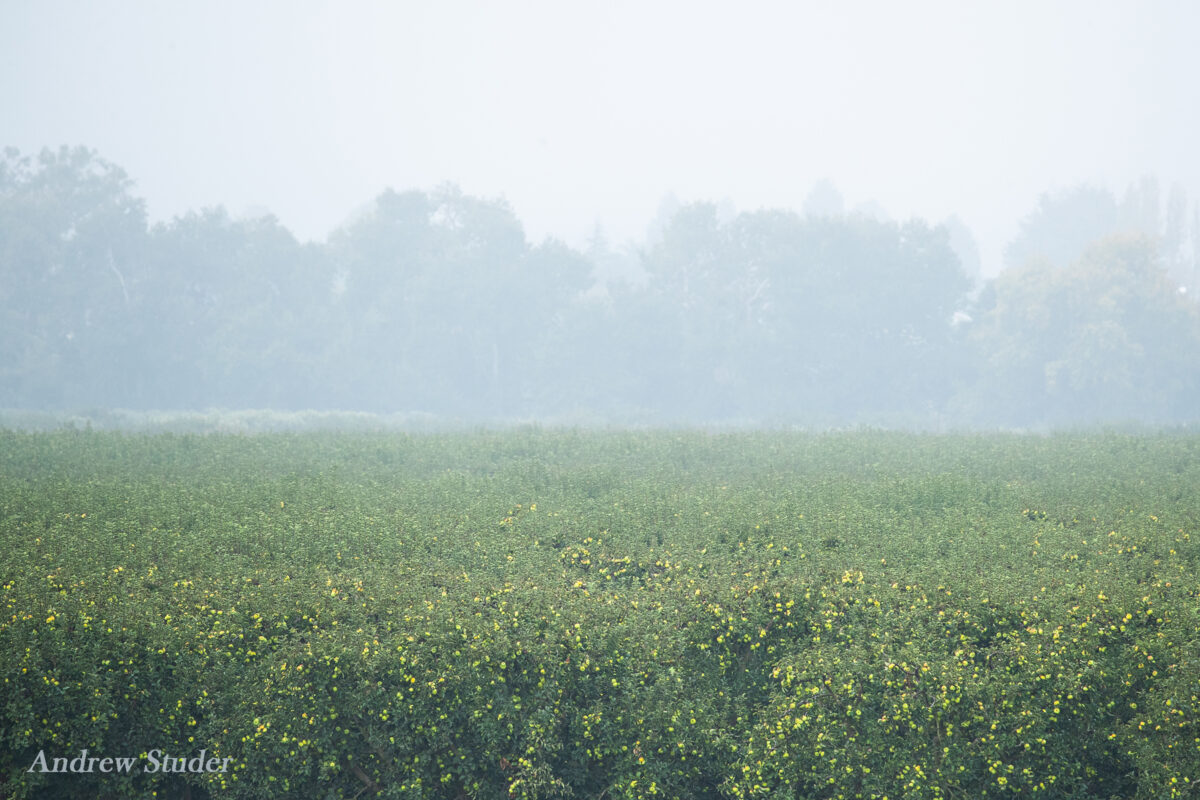
With Autumn around the corner for the Northern Hemisphere, we are looking forward and holding on to hope that the little red superfood we call apples will conquer these obstacles. When the weather cools down, and you’re looking for a sweet snack, consider an apple pie or maybe some apple dumplings. Don’t forget the numerous health benefits they offer! We at Farms and Forestry encourage our readers to give the apple a chance this harvest season, and we look forward to our own delicious apple treats.
Did You Know? There are tiny air cavities within the cells of an apple, making up approximately one quarter of the fruit’s total volume. This network of trapped air pockets in the cellular structure gives an apple its crisp bite and buoyancy (they float).
Support Sustainable Farming and Responsible Forestry!
Orchard Report
Photography by Andrew Studer

From wilderness to field, everything Farms and Forestry.
