
Uncategorized
Pollinators
Sep
YOUR GARDEN AND POLLINATORS
Photographed and written by Marta Planker
With gardening season in full bloom, your vegetables should be growing nice and steady. In addition to regular water, full sunlight, pruning, and weeding, one beneficial addition to your garden is pollinators.
Pollinators are small insects or animals that move pollen from the male to the female part of the flower. You may be familiar with some common examples of pollinators such as bees, butterflies, and hummingbirds; however, what you might not know is that beetles, flies, moths, and even bats are pollinators as well. Pollinators are responsible for the food that we eat, including fruits, vegetables, and nuts, as well as the survival of most of our flowering plants.

One great example of this is the zucchini plant. Zucchini has both female flowers and male flowers, also known as monoecious. If there are not enough pollinators visiting your garden, zucchini flowers will have to be manually pollinated; otherwise, they will not bear fruit. One way to do this is to identify the male plant and, using a cotton swab, sample some pollen from it and bring the pollen to the female plant.
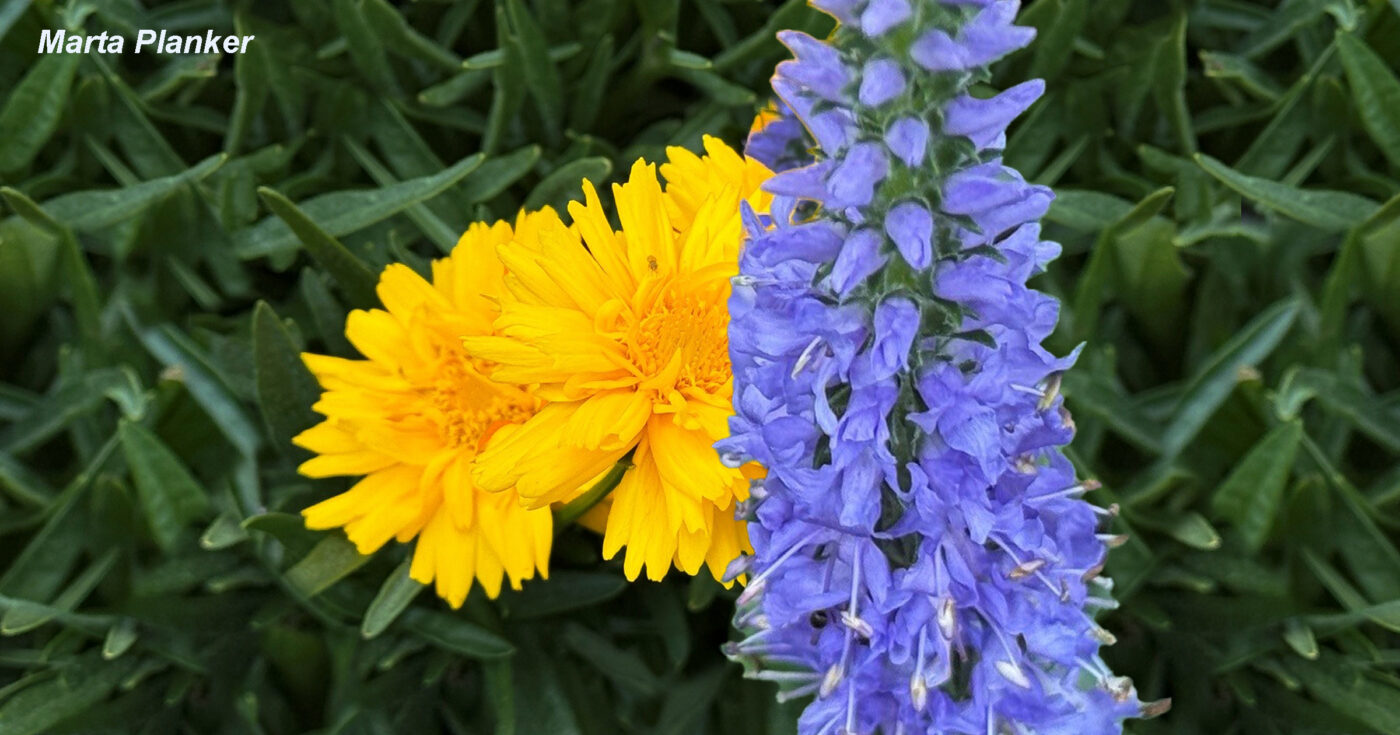
Another option is to make your garden pollinator-friendly. You can accomplish this by planting flowers in between your vegetables and your fruit trees.
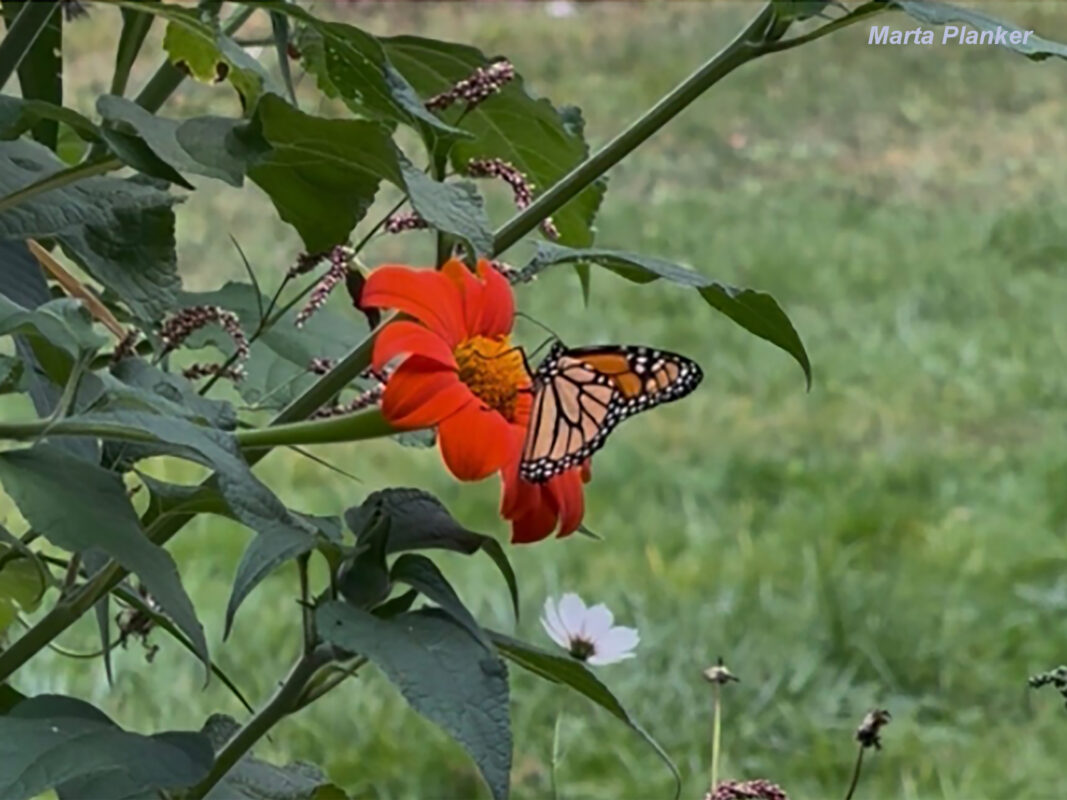
Some common flowers that are adored by pollinators are: Bee balm, primrose, anise hyssop, honeysuckle, chives, daylily, foxglove, fuchsia, poppy, and black-eyed Susan.
Not only will these flowers help your garden thrive, but they will become a beautiful addition and a joy to look at.
Happy Gardening!

Harvesting creative and helpful thoughts on all matters of the environment!
