
Farms and Forestry
Threats on Multiple Fronts
May
Farms and Forestry
PRESENTS
An Endangered Species Day Special
Tree Endangerment
By Warren Joseph
Photographs by Greg Vaughn
To say that trees are important is an understatement. Logging is a trillion-dollar global industry that provides the world with fuel, furniture, lumber, and paper. More importantly, the trees from which timber is harvested are essential for life because they absorb carbon dioxide and emit oxygen. They also provide breeding sites, food, and shelter for over a million species and are simply good for the mental well-being of both animals and humans alike.
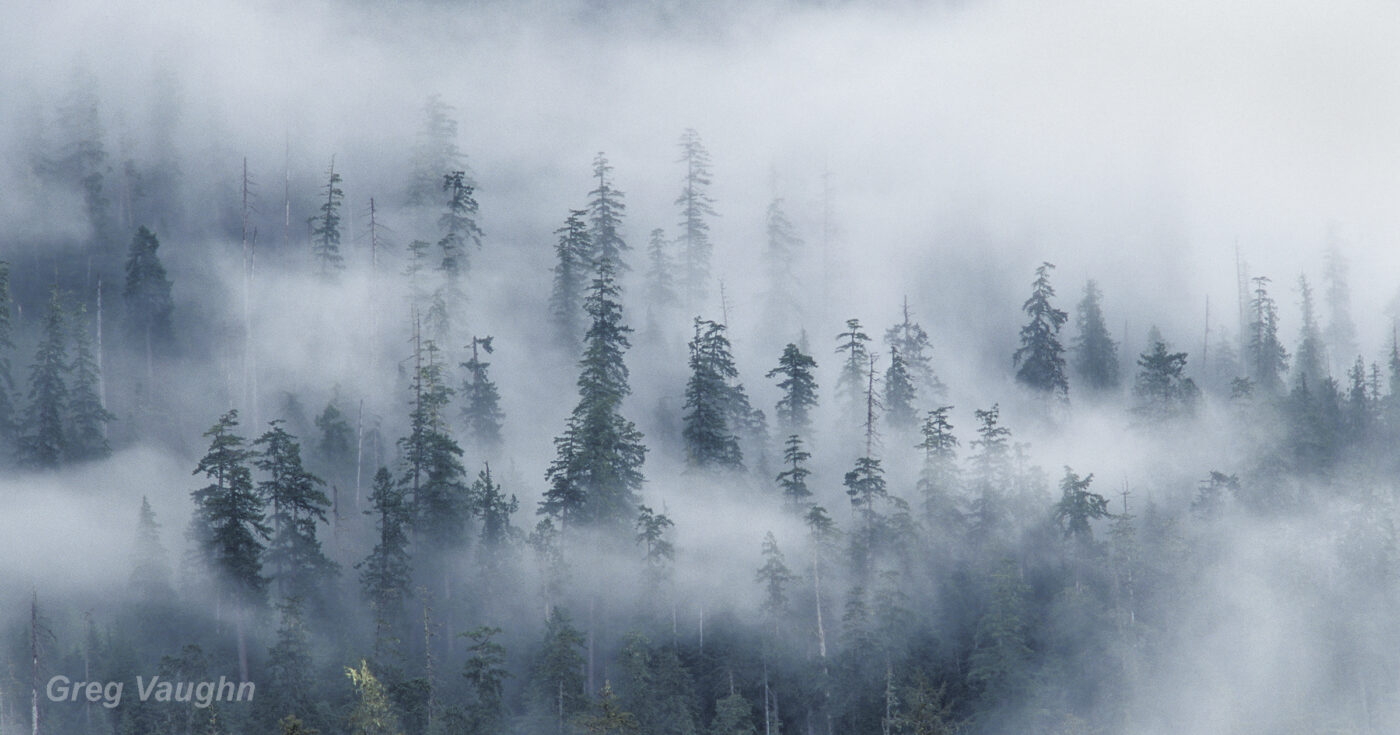
The world’s forests are facing threats on multiple fronts, from climate change to agricultural expansion, disease, invasive species, unsustainable logging, forest fires, infrastructure, and residential development. While the future of forests is notoriously unpredictable, it is estimated that nearly a third of extant tree species are at risk of extinction. The current danger to our forests is of the utmost significance.
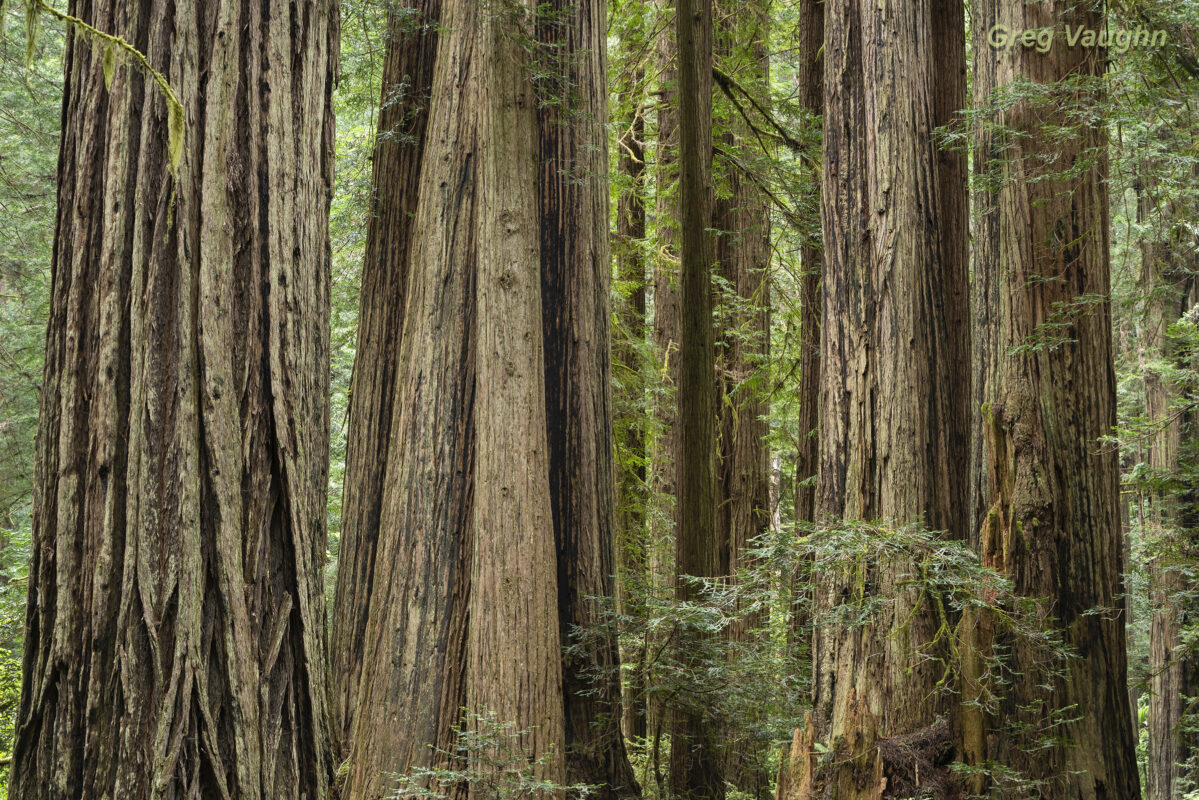
Many of the most recognizable and iconic trees are in jeopardy – some barely hanging on, at the edge of extinction. The largest trees on Earth, coast redwoods (Sequoia sempervirens), are dying. Most remaining old-growth coast redwoods are protected, yet these California icons are dying due to bark beetle infestations, prolonged droughts, and more frequent and severe wildfires.
Known as the giants of Asia’s tropical rainforests, dipterocarps are the continent’s dominant timber trees. Dipterocarps are threatened by habitat destruction on an industrial scale – death by agriculture. Forests are being converted to plantations to the extent that over a third of Asia’s endemic trees are at risk.
The most common choice for Christmas trees in the United States is the sturdy, aromatic Fraser fir. In their natural habitat, Frasers have been decimated by an infestation of the balsam woolly adelgid, an invasive insect from Europe. While these popular conifers are abundant on tree farms, their future is uncertain in the wild.
Central and South American big-leaf mahogany trees are threatened by over-logging and illegal logging operations, as are prized rosewood trees in Madagascar and Southeast Asia.
The American chestnut, once a dominant species in the eastern United States, has dwindled to the point that today their death rate far surpasses their rate of reproduction as a result of the Asian fungal disease chestnut blight.
Extreme blaze events threaten forests in Australia, the Mediterranean, North America, Siberia, and South America.
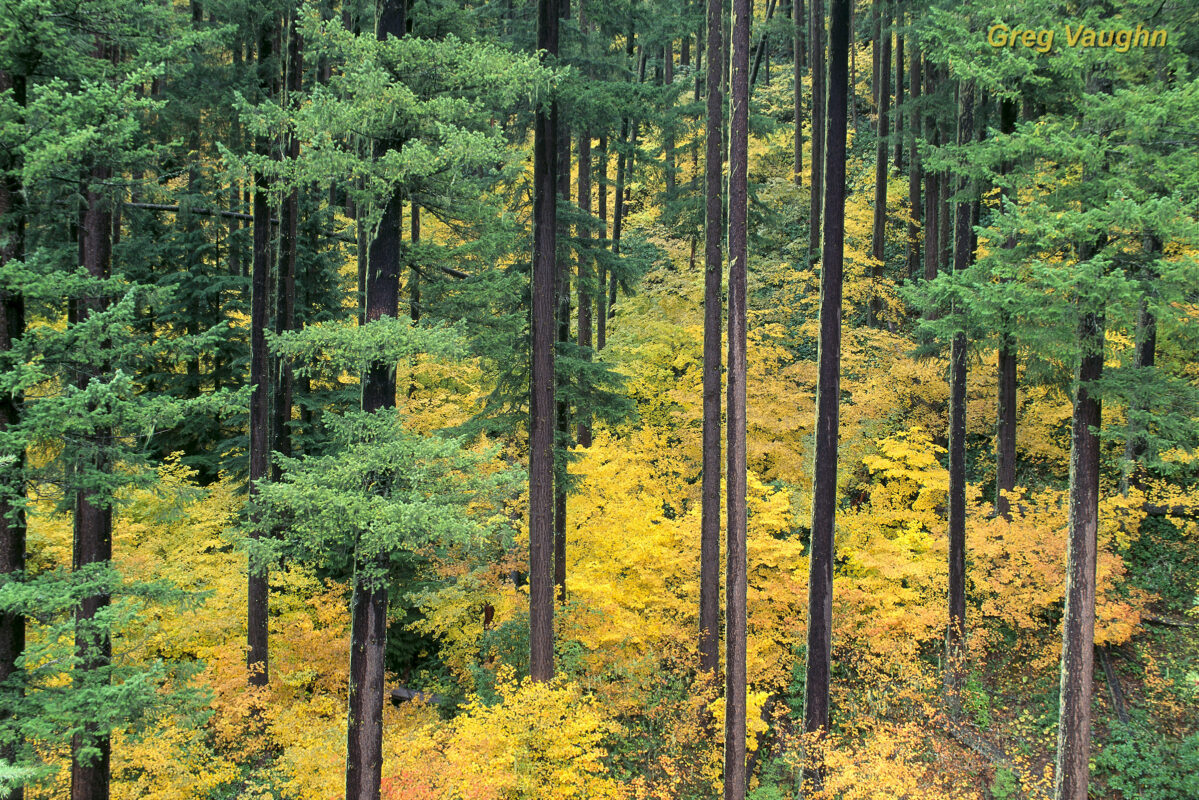
All hope is not lost. There are many things people can do to protect threatened trees and forests. The following are some ways you can help:
- Plant trees! Participate and/or support a reforestation project or plant trees on your own. Remember to choose native species and plant in appropriate locations.
- Support forest conservation organizations with time, money, supplies, or just word of mouth. Every little bit helps!
- Use lumber that is harvested using sustainable practices. Certificates from the Forest Stewardship Council (FSC) or the Sustainable Forestry Initiative (SFI) will help you identify appropriate wood.
- Conserve trees by using old wooden items longer before replacement, using reclaimed lumber for new projects, cutting down fewer trees, and doing less harm to trees in your area.
- Learn about forests and trees, and spread the word. Teach others what they can do to help.
Support Sustainable Farming and Responsible Forestry!
Photographs by Greg Vaughn

From wilderness to field, everything Farms and Forestry.
