
The Air Pollutant
The Pollutant CO2
Jun
Carbon Dioxide
By Katelin Kukk
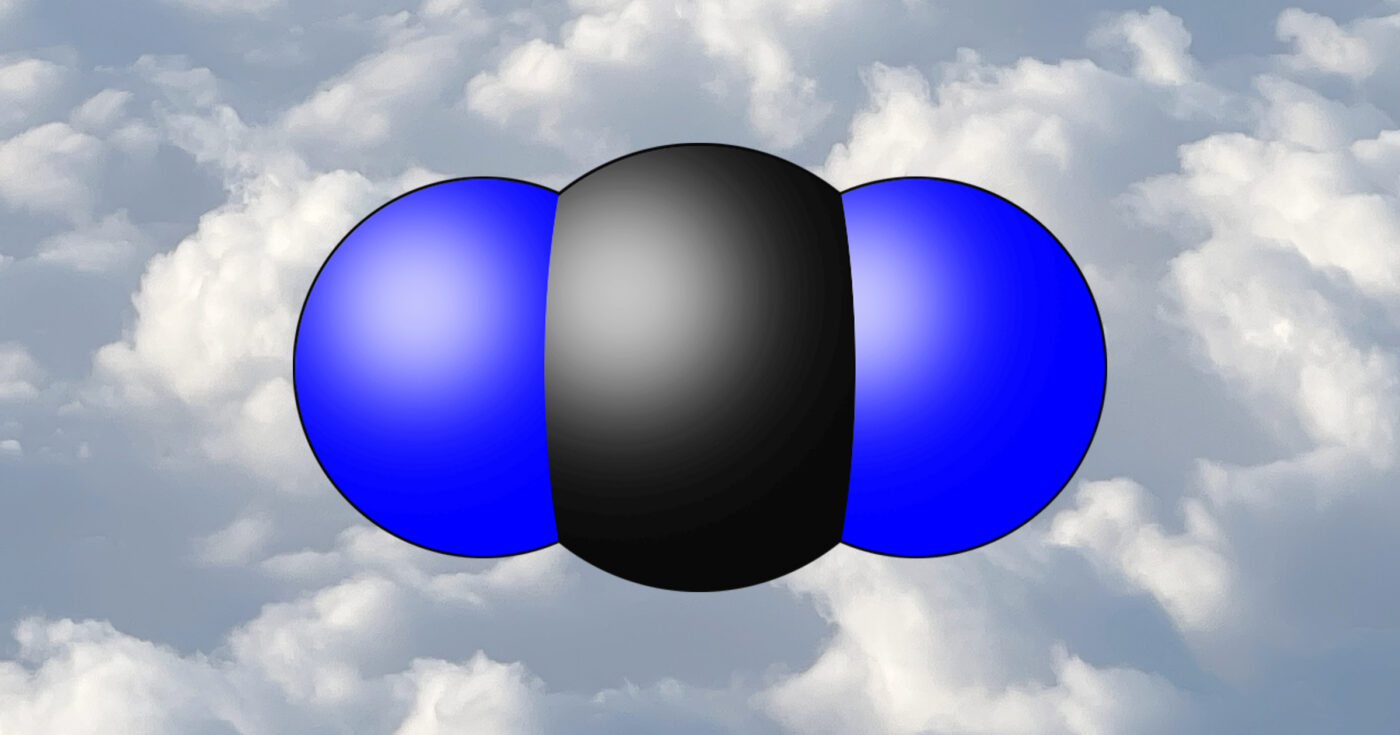
Carbon dioxide is a commonly found gas. We exhale it, organisms release it as a result of decay and decomposition, and it’s produced by the burning of fossil fuels, volcanic eruptions, and more. CO2 is a colorless and odorless gas that is heavier than air. It is made up of one carbon atom and two oxygen atoms.
Our planet has natural systems in place, called carbon sinks, that regulate the amount of carbon dioxide in our atmosphere. The two main carbon sinks are our oceans and forests, both of which absorb copious quantities of carbon dioxide and help stabilize our planet’s atmosphere.

While we are exposed to carbon dioxide every day, it is relatively non-toxic and non-combustible, but it can become dangerous in high concentrations. Carbon dioxide poisoning, or hypercapnia, can occur in poorly ventilated or confined spaces that are oxygen-deficient. Mild exposure includes symptoms of headaches and dizziness. Higher levels will cause rapid breathing, confusion, elevated blood pressure, or even death.
If you work in an environment where carbon dioxide is used or produced as a byproduct, it’s important to take proper precautions. Invest in a CO2 detection system or ensure your space is adequately ventilated. When it comes to exposure, the best treatment is always prevention.
Featuring airborne substances harmful to mankind and man’s habitat.

Air Pollution is responsible for millions of deaths every year. Recognizing contaminants may be the difference between another day at the office and a trip to the emergency room or worse.
