
Environmental Spotlight
Endangered Key Deer
Jun
Endangered Key Deer
The Smallest Extant North American Deer
Writing and Photography by Moose Henderson
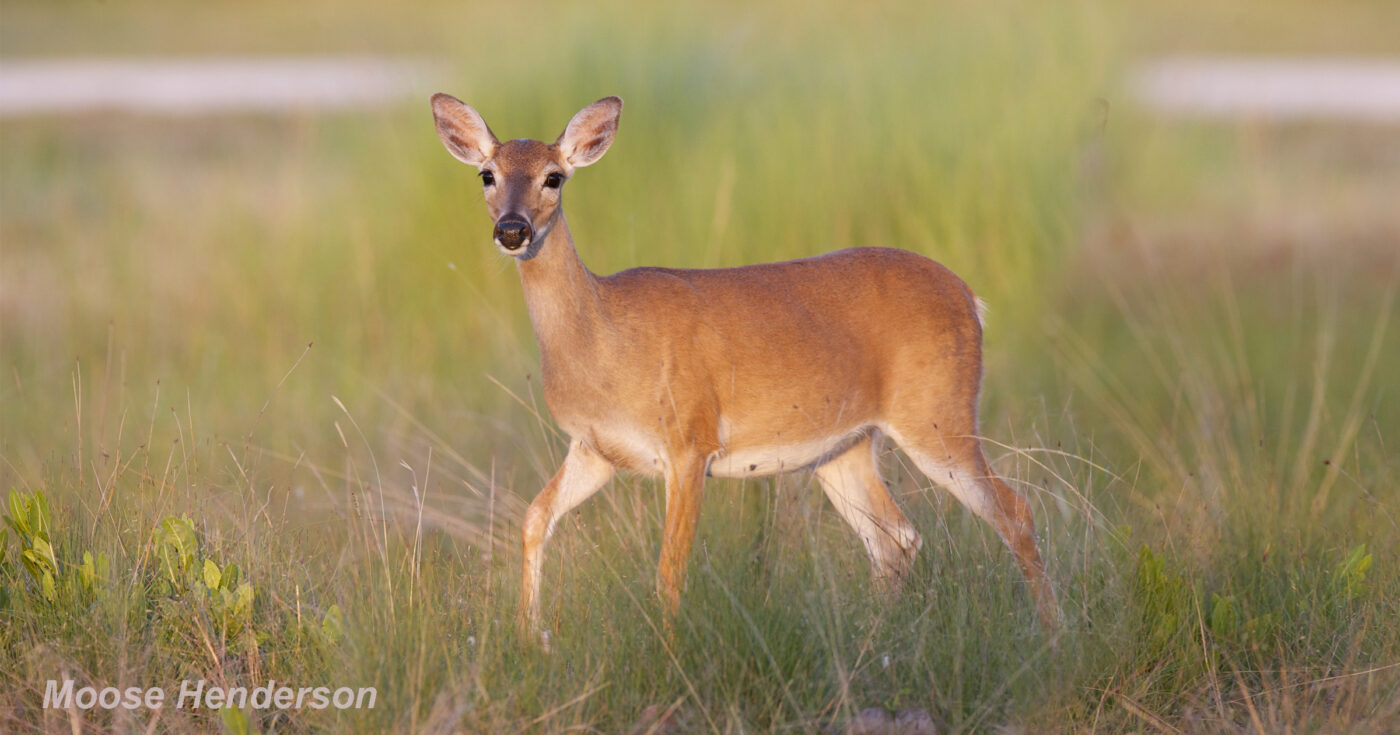
Endangered Key deer, Odocoileus virginianus clavium, are only found on a couple of small islands in the lower Florida Keys. During the Wisconsin glaciation (approximately 12,000 to 75,000 years ago), a land bridge connected the Florida Keys to the mainland. Virginia white-tailed deer freely moved between the peninsula of Florida and the Keys. However, as the glaciation ended, sea level dropped, isolating the Florida Keys.
A lack of fresh water drove these deer further to the lower keys, where isolated pools of fresh water existed year-round. Due to a lack of resources, these deer became smaller – a phenomenon known as the “Island Dwarfing Effect.” Survival chances are increased for small animals because of the reduced need for food, drinking water, and shelter.
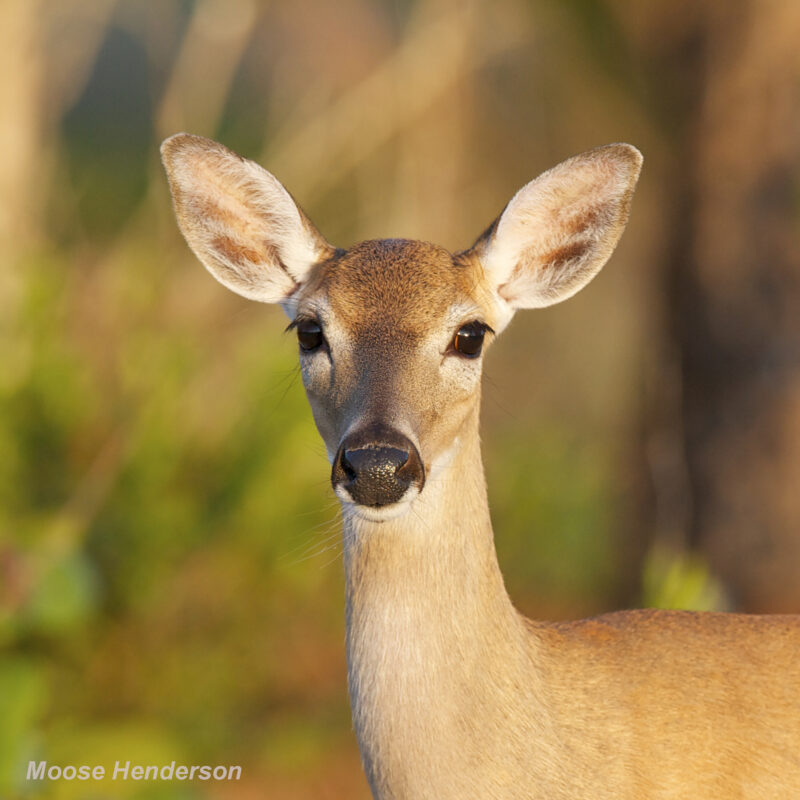
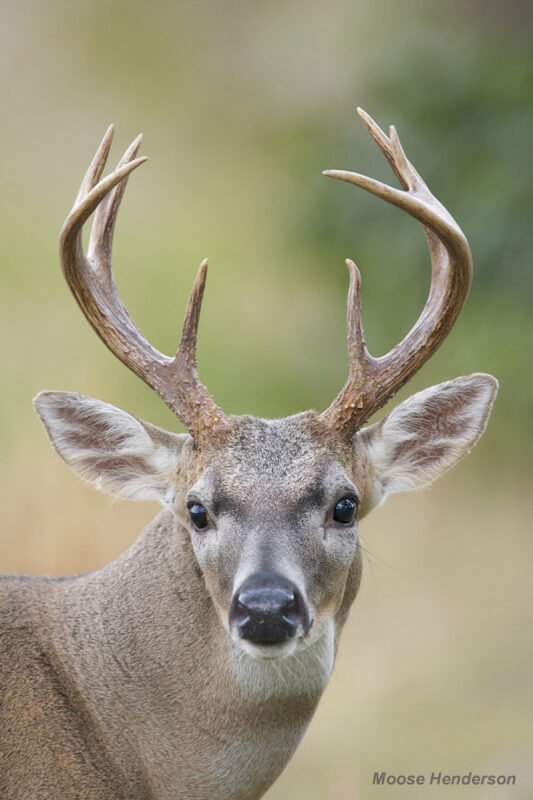
Key deer, similar in size to a domestic dog, like the German Shepard, are about 20 percent shorter and weigh 45 percent less than white-tailed deer. They are reddish-tan in color, and bucks grow and shed antlers annually. Over centuries, Key deer have adapted to island life by developing an ability to tolerate brackish water and expanding their diet to include normally unpalatable plants like mangroves. Other than reduced size and weight, Key deer closely resemble white-tailed deer.
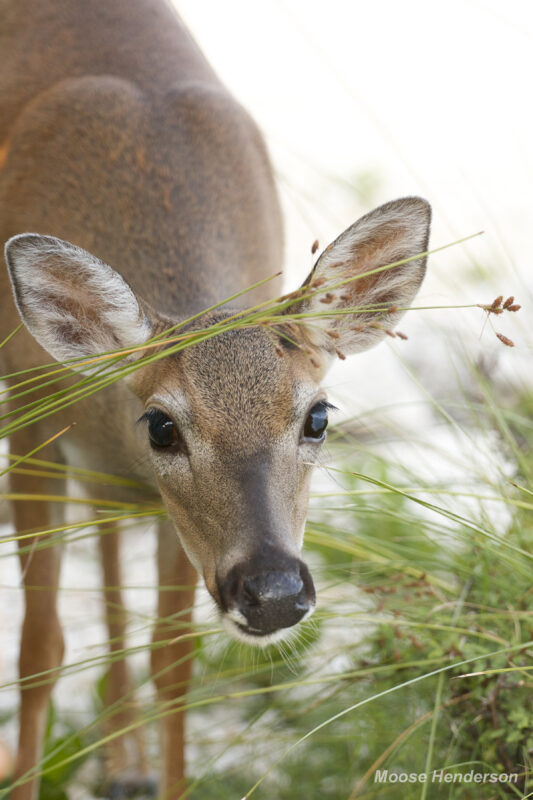
Because of widespread hunting (outlawed in 1939), poaching, and reduced habitat, Key deer populations plummeted to about 50 individuals in the 1950s. The Key Deer Refuge, approximately 8500 acres, was established as a National Wildlife Refuge in 1957 on Big Pine and No Name Key. Thankfully, these conservation efforts have resulted in a remarkable recovery of Key deer, and current population estimates for Key deer are 700-800 individuals.
Key deer are recovering, but significant challenges remain. Around 150 Key deer are involved in vehicle accidents, resulting in deer fatalities each year. In 2016, a screw worm parasite was responsible for the death of 135 deer. Additionally, tropical storms and hurricanes can cause contamination of the limited fresh water supply, while human encroachment fragments their limited habitat.
Rising sea levels after the ice ages isolated the deer, while current rises in sea level due to human-induced climate change are further reducing available habitat. In 2023, the U.S. Fish and Wildlife Service approved assisted migration for endangered species. This offers significant hope for Key deer and other isolated endangered species. Isolated species face significant challenges, but with monitoring, continued conservation efforts, and assisted migration, hope exists for these wonderful miniature deer.
Endangered Key Deer
Writing and Photography by Moose Henderson
– – –

Illuminating the sciences of life and the natural environment.
