
A Deeper Perspective
Lead and Wildlife

Jul

Lead and Wildlife: What’s The Problem?
Written by: Eesa Lynn
As one of the most abundant and easiest-wrought metals in Earth’s crust, lead has been a staple material of human industry throughout history, with uses ranging from construction to cookware. Though its toxicity has been known in some form since the first century CE, it is still used in a variety of applications, and while its modern usage is highly regulated, its use in hunting and fishing continues to be an enormous threat to animals.
The consumption of lead causes lead toxicosis, or lead poisoning. For animals that consume lead, this means GI issues, anemia, reproductive problems, severe neurological symptoms such as lethargy, loss of coordination, blindness, and paralysis, starvation, and eventually death. While human lead sickness has seen a steep decline thanks to Federal legislation, an estimated 16 million birds succumb to lead poisoning in the United States each year. The treatment and management of lead exposure in wildlife is not inexpensive, and the brunt of these costs almost always falls upon non-profit wildlife rehabilitation and education centers, as well as other charitable organizations.
Lead remains the most common material in hunting ammunition and some fishing equipment, which means that it is pervasive in the wild. Lead shot and ammunition fragments can remain on the ground and be mistaken for food by both ground-foraging animals and birds. Hunting waste or unretrieved meat can thereby be passively ingested by carrion birds or scavengers, passing the toxin up the food chain.
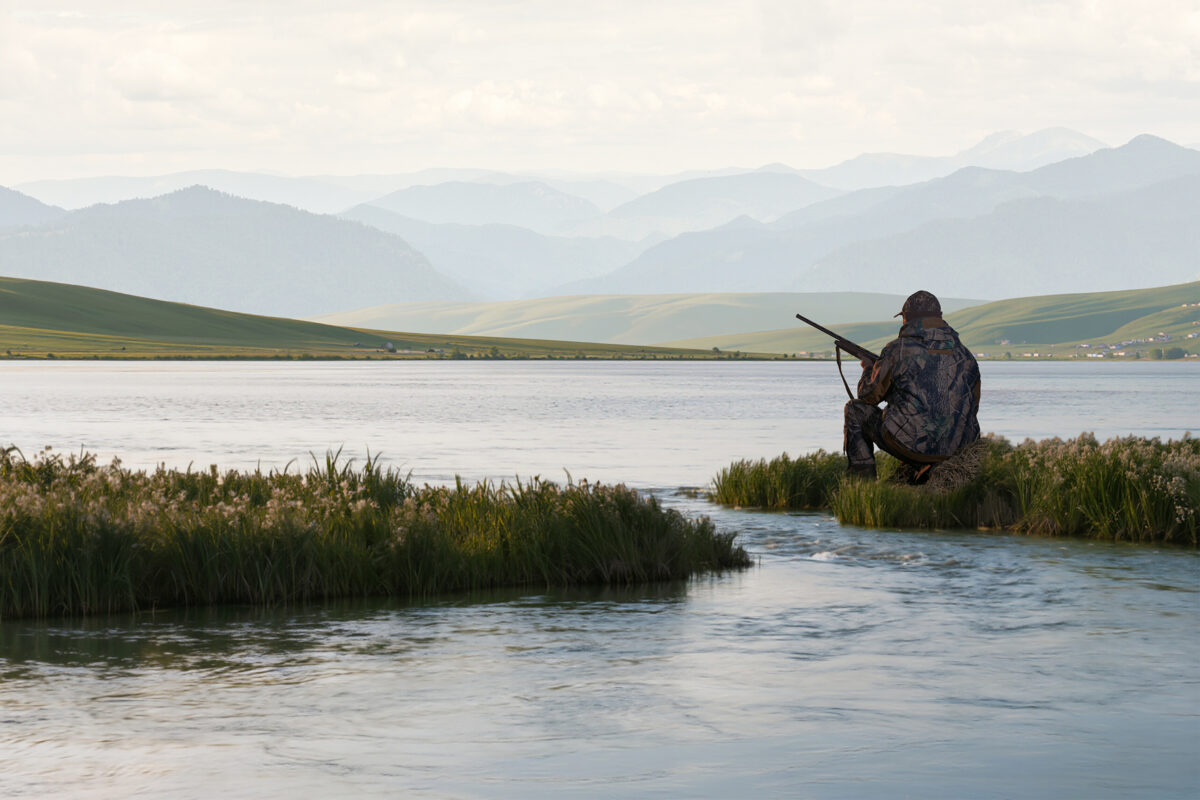
Fishing weights, lures, and sinkers are particularly dangerous to aquatic animals that mistake them for food, waterfowl, and those that hunt them. Consequently, lead toxicosis has reportedly affected every species of waterfowl in the United States, with mallards being the most common victims. In New Hampshire, ingestion of lead has been the leading known cause of adult loon deaths since studies began in 1989. This detriment to the loon population has led New Hampshire to be the first in the nation to introduce legislation restricting the use of small lead fishing tackle in its lakes and ponds. In eagles and other raptors, an amphibious diet means the danger is two-fold, enough so that lead poisoning is a leading cause of death in bald eagle populations. A 2022 publication in the journal Science sadly revealed that 46 to 47% of bald and golden eagles sampled showed signs of chronic lead exposure.
Unfortunately, only nine other states have significant bans or restrictions on the use of lead ammunition or tackle, with California being the only one that completely prohibits not only the use of lead shot for any hunting but also the possession of lead ammunition while carrying a firearm in the field. In 1991, the U.S. Fish and Wildlife Service (USFWS) banned the use of lead shot for the hunting of all waterfowl in the United States.
In 2023, USFWS proposed restricting the use of lead tackle and ammunition at several national wildlife refuges across the U.S. While this was another legislative step in the right direction, it ignited backlash from many conservation and hunting groups, who were insistent that this type of legislation should come from science-backed research, not activism, and remain consistent with state laws, meaning that wildlife management decisions would be back in the hands of the states and not the federal government. As a result, the U.S. House of Representatives recently passed H.R. 556, the Protecting Access for Hunters and Anglers Act, a bill that would stop federal agencies from attempting to ban the use of lead ammunition and tackle on public lands.
On a grassroots level, significant changes can still be made to minimize the damage to both animals and to humans who may ingest lead-laden meat. Choosing to employ non-toxic alternatives to lead ammunition and tackle is an easy first step. While steel, copper, and alloy options do exist in all fifty states, they are not as affordable as traditional lead, and therefore, conversion has been slow. On the bright side, various state and federal incentive and buy-back programs have been introduced to help offset the cost.
To learn more about how you can help to get the lead out, visit:
https://www.fws.gov/initiative/lead-free
Loons and Lead – Loon Preservation Committee
Lead Poisoning in Animals – Toxicology – Merck Veterinary Manual
Lead Toxicity in Birds – Valley Forge Audubon Society
Everything Looks Different from a Deeper Perspective
Exploring the world from an environmental viewpoint.
