
Water Saga
Mesoamerican Barrier Reef System
Jun
Mesoamerican Barrier Reef System
By Maya Planker
Photographs by Ethan Daniels of Orleans, Massachusetts
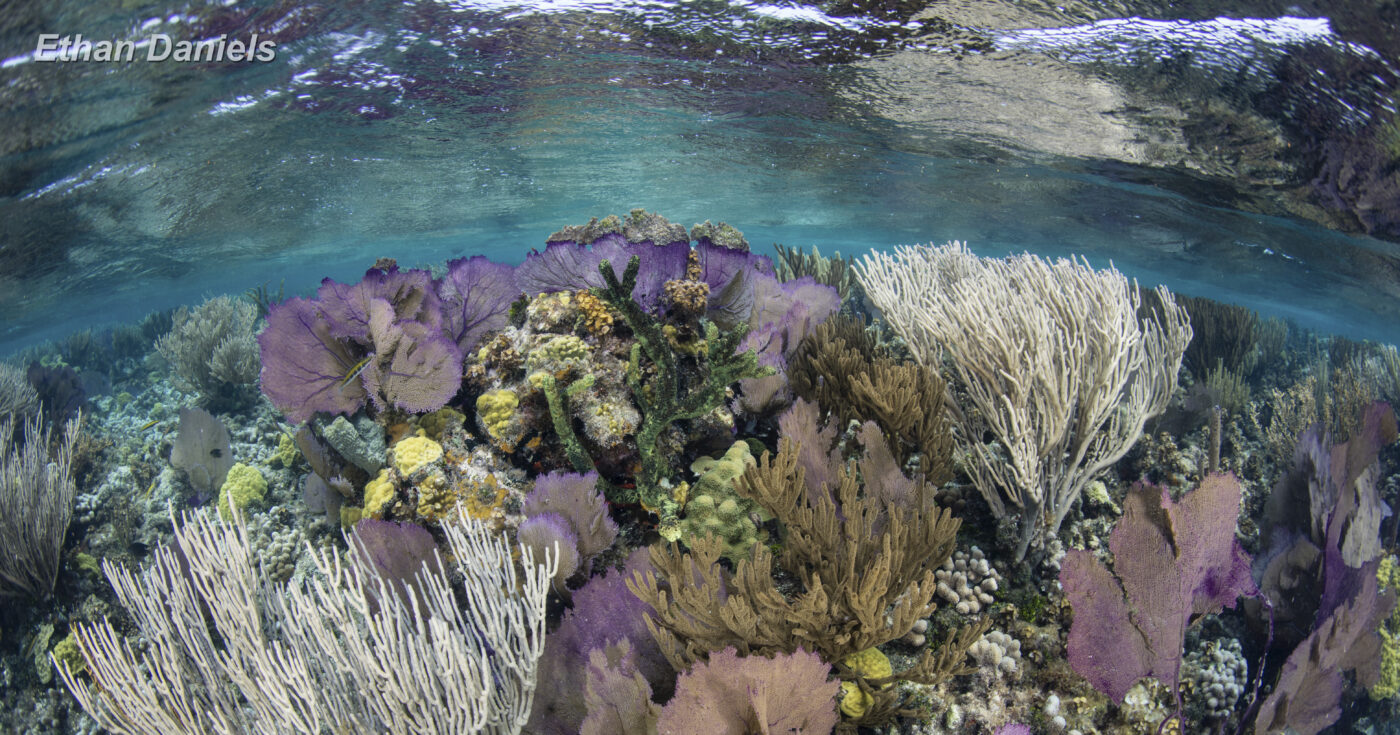
Stretching south from the coasts of Mexico, Belize, Guatemala, and Honduras is the Mesoamerican Barrier Reef System (MBRS). As the longest barrier reef in the Western Hemisphere and the second largest in the world, it spans about 650 miles. This incredible reef is home to more than 500 fish species, 60 coral species, and 350 marine animals. Spread along its length are beautiful beaches and mangrove forests that filter and nourish the water by trapping sediment and pollution. The reef’s ecosystem is vital not only to the multitude of species living within but also to the people living in its coastal communities.
The MBRS is considered critically endangered by the International Union for Conservation of Nature (IUCN), a result of human actions like pollution, agriculture, and irresponsible tourism. Climate change has also had a significant impact not just on the MBRS but on the entire ocean. Higher water temperatures, stronger hurricanes, and changes in pH force the natural systems to adapt, resulting in extensive coral bleaching as well as altered water currents and patterns. Construction and boat anchoring can also be very destructive to reef habitats. While the reefs draw thousands of tourists each year, the negative impact of non-reef-safe sunscreen use is also detrimental.
Sadly, humans are responsible for the majority of the reef’s current issues, while at the same time, about two million people rely on the MBRS’s coastal environment for their livelihood, including food and water. Coastal communities depend on fisheries and a healthy ecosystem to meet their needs.
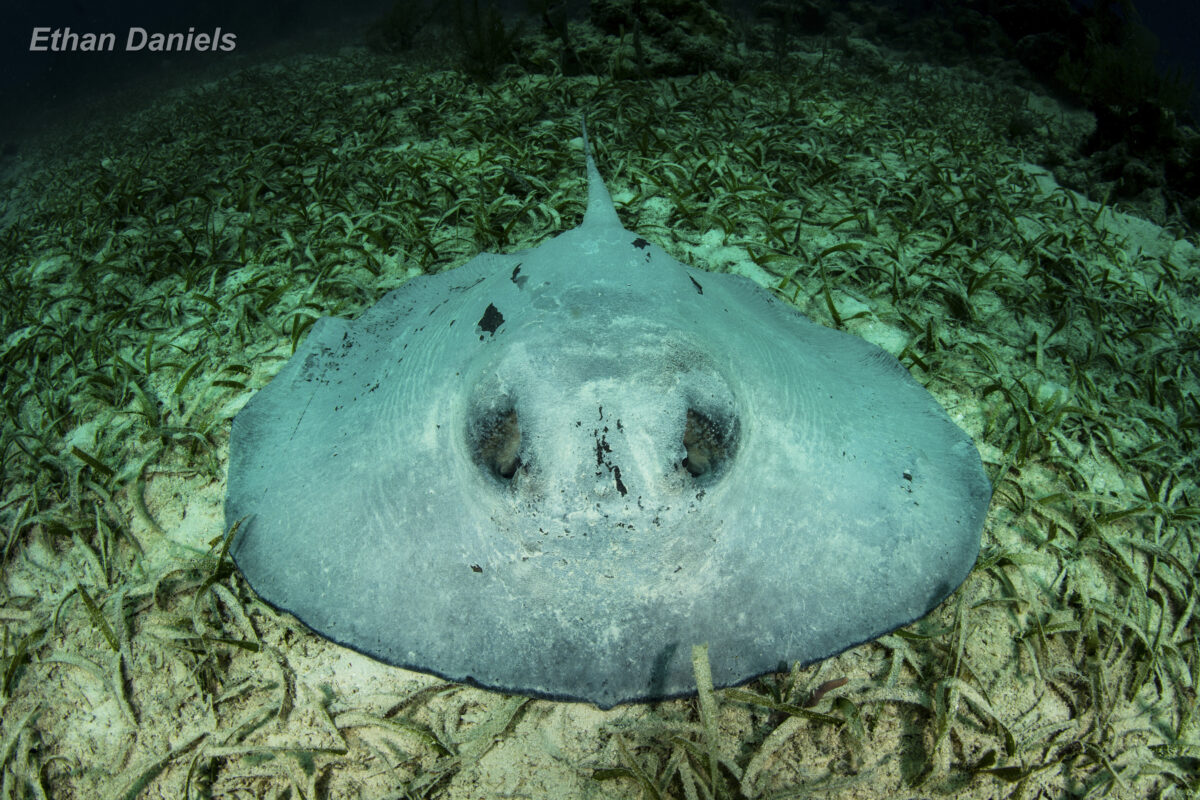
Rich in biodiversity, the MBRS’s smaller fish, such as snappers, barracuda, angelfish, and tuna, invite larger predators, like sharks, stingrays, and even crocodiles. Several vulnerable and endangered species make their home in the reef as well. More commonly known are manatees, leatherback sea turtles, the American crocodile, and the famous whale shark. Seagrass beds provide sustenance for sea turtles who, in turn, keep algae growth on the coral in check.
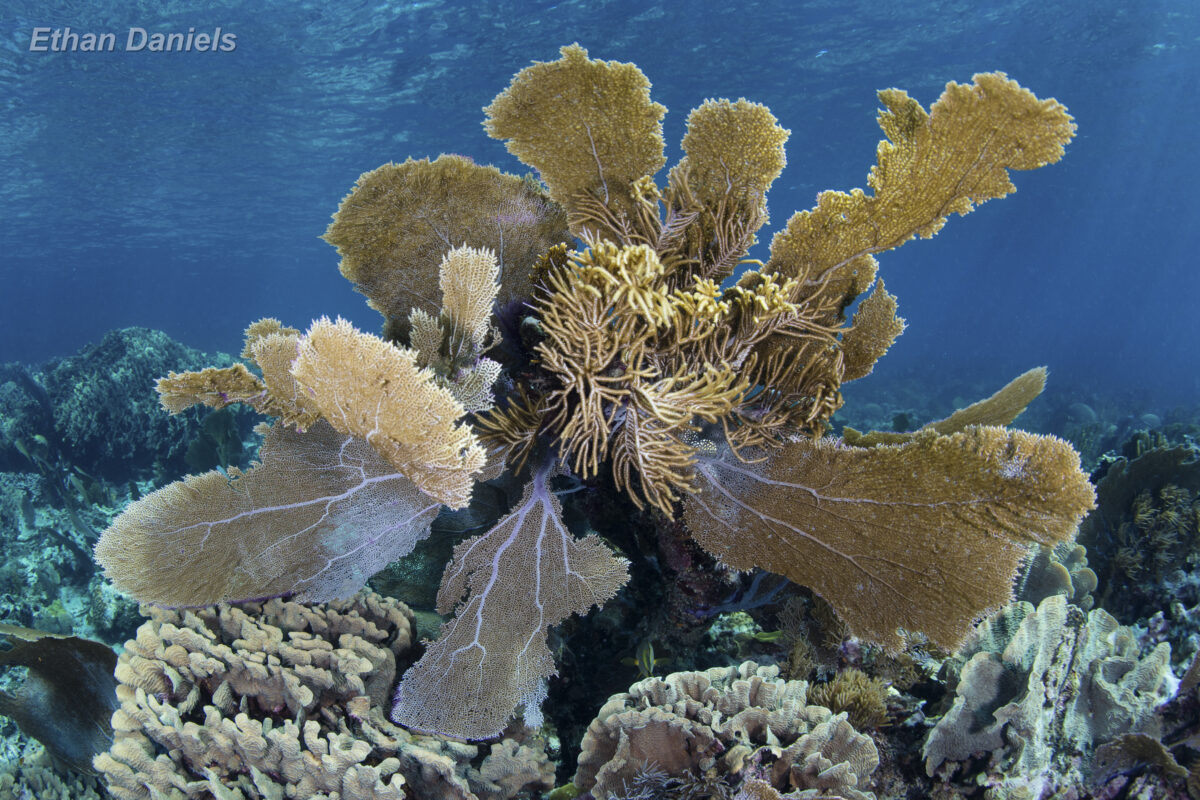
The MBRS also boasts a variety of deep-water corals, including different species of stony corals and soft corals, which provide shelter and protection for various fish and invertebrates. Unfortunately, the coral is slow-growing as a result of overfishing, pier construction, and oil spills, which cause the coral to break, delaying growth. This poses a threat to the delicate balance that exists with marine life dependent on one another for their survival. Their symbiotic relationship brings food, safety, and breeding to this incredible marine
Governments and local communities are working to conserve this ecosystem and reduce the threats to vulnerable marine life. Managing fisheries, implementing boat parking regulations, and building protected areas all contribute to a sustainable reef.
The World Wildlife Fund (WWF) works with partners to keep the environment safe by training and educating tour operators and divers on sea turtles and working with The Nature Conservancy to monitor coral health. With more than 60 marine protected areas in the MBRS region, some may be better at keeping the reef safe, but all have the same goal.
Keep Our Reefs Clean!

Exploring the delicate harmony of water and life
